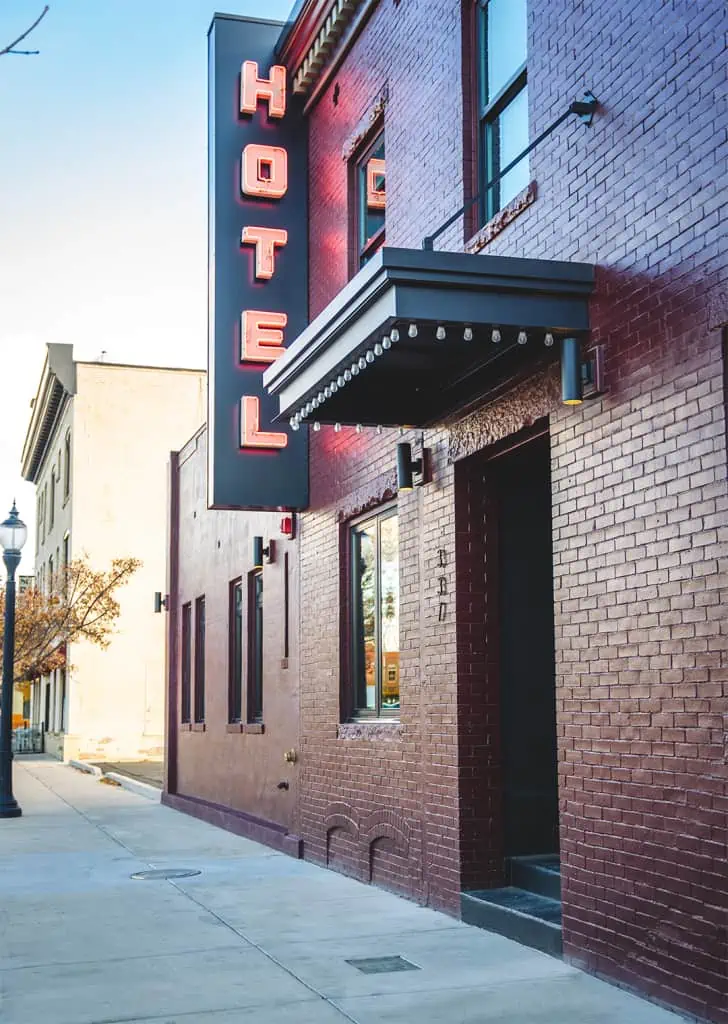
Hotel Melrose is an independent boutique hotel operating in a rate-sensitive regional market. While the property had strong fundamentals, its commercial strategy lacked a consistent mechanism for creating incremental demand and dynamically pricing into it.
Hotel Melrose partnered with Oasi to implement a revenue-first strategy that used social demand signals to inform pricing, capture higher-value bookings, and improve overall revenue performance.
Rather than treating social media as a branding exercise, Oasi positioned it as an upstream demand engine tightly integrated with revenue management.
Client
Industry
Year
Key Achievements
+50.4% YOY Revenue Growth
In the first six months, Oasi increased revenue by 1.5x.
+33% YOY RevPAR Increase
In its first six months, Oasi lifted RevPar by 33%.
+191% Follower Growth
@thehotelmelrose increased its following by 191% in the first three months.
Strengthened Brand Authority
The introduction of Oasi's high-quality content created a strong image for the brand, positioning the hotel with greater authority in the Grand Junction market.
Challenge
Before working with Oasi, Hotel Melrose faced several common challenges for independent hotels:
Demand was largely reactive, driven by OTAs and price competition
Limited ability to stimulate demand ahead of need periods
Social traffic existed, but was not clearly integrated into pricing or booking strategy
Revenue decisions were made with incomplete visibility into emerging demand signals
They didn't have a problem with exposure, but rather with how demand was created, captured, and monetized.
Our Solution
Oasi implemented a strategy rooted in the principle that increased demand only creates value if pricing and distribution respond fast enough to capture it.

Demand Creation as a Pricing Input
High-performing social content was used to generate early demand signals. Spikes in engagement, profile visits, and link taps informed pricing confidence.

Virality-Driven Price Yielding
As content gained traction, pricing strategy adjusted dynamically to:
Raise nightly rates during high-intent demand windows
Avoid discount-driven occupancy
Capture less price-sensitive, emotionally motivated guests

Direct Booking Capture
Social traffic was routed toward direct booking paths, improving channel mix and reducing OTA dependency. This allowed incremental demand to flow through at higher margins. We measured success by:
Link taps as a proxy for booking intent
Timing of demand relative to stay dates
Revenue performance relative to prior periods

Pricing Discipline & Yield Control
With improved visibility into demand momentum, the pricing strategy was adjusted to:
Raise rates earlier in the booking window
Avoid unnecessary discounting during high-interest periods
Protect ADR while maintaining healthy occupancy pacing

Inventory & Channel Management
As demand increased, Oasi focused on where bookings landed, not just how many occurred:
Prioritized direct channel availability during high-demand periods
Reduced overexposure to OTAs when demand was already strong
Improved net revenue capture without sacrificing volume
Expanded Demand Forecasting Inputs
In addition to booking pace and historical trends, Oasi incorporated real-time social demand signals, including spikes in link taps and booking-path traffic, in order to improve near and mid-term demand forecasting.
These signals provided earlier insight into compression risk and high-demand windows.
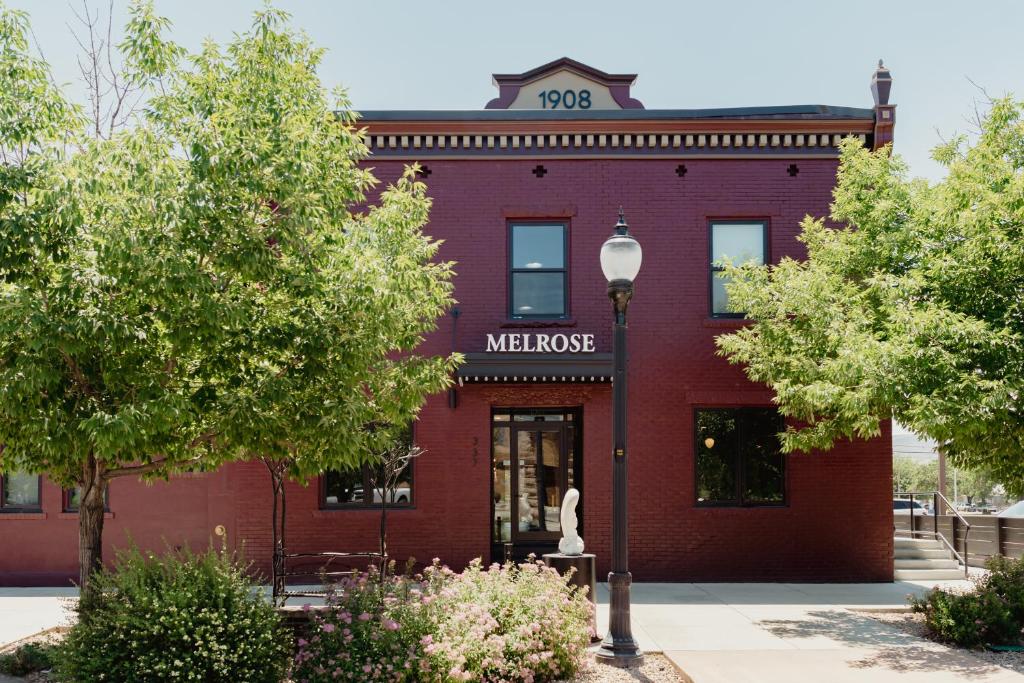
Digital Performance
+191% follower growth
+358% link tap growth
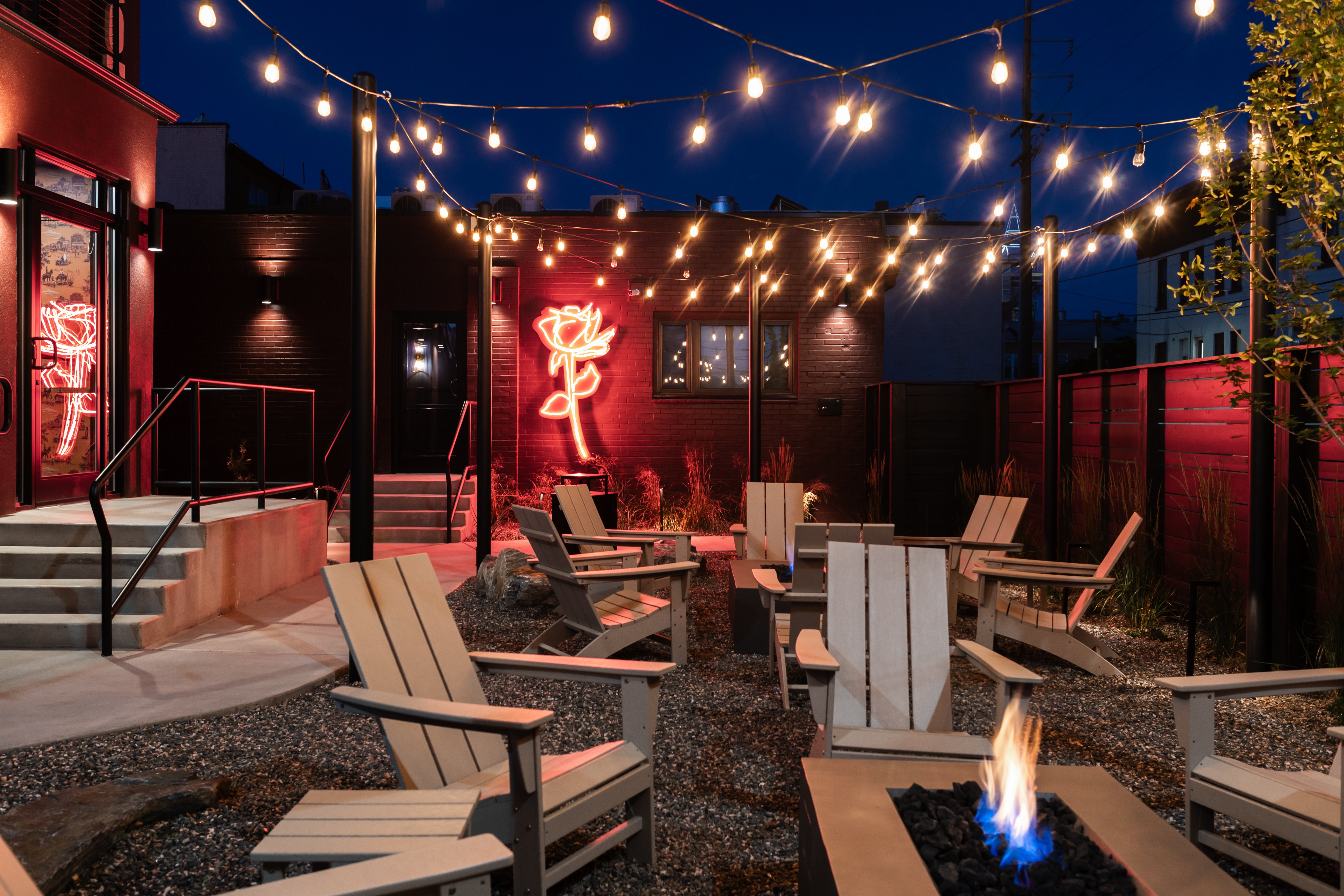
Business Impact
Increased revenue 50.4% YOY
Increased RevPAR 33% YOY
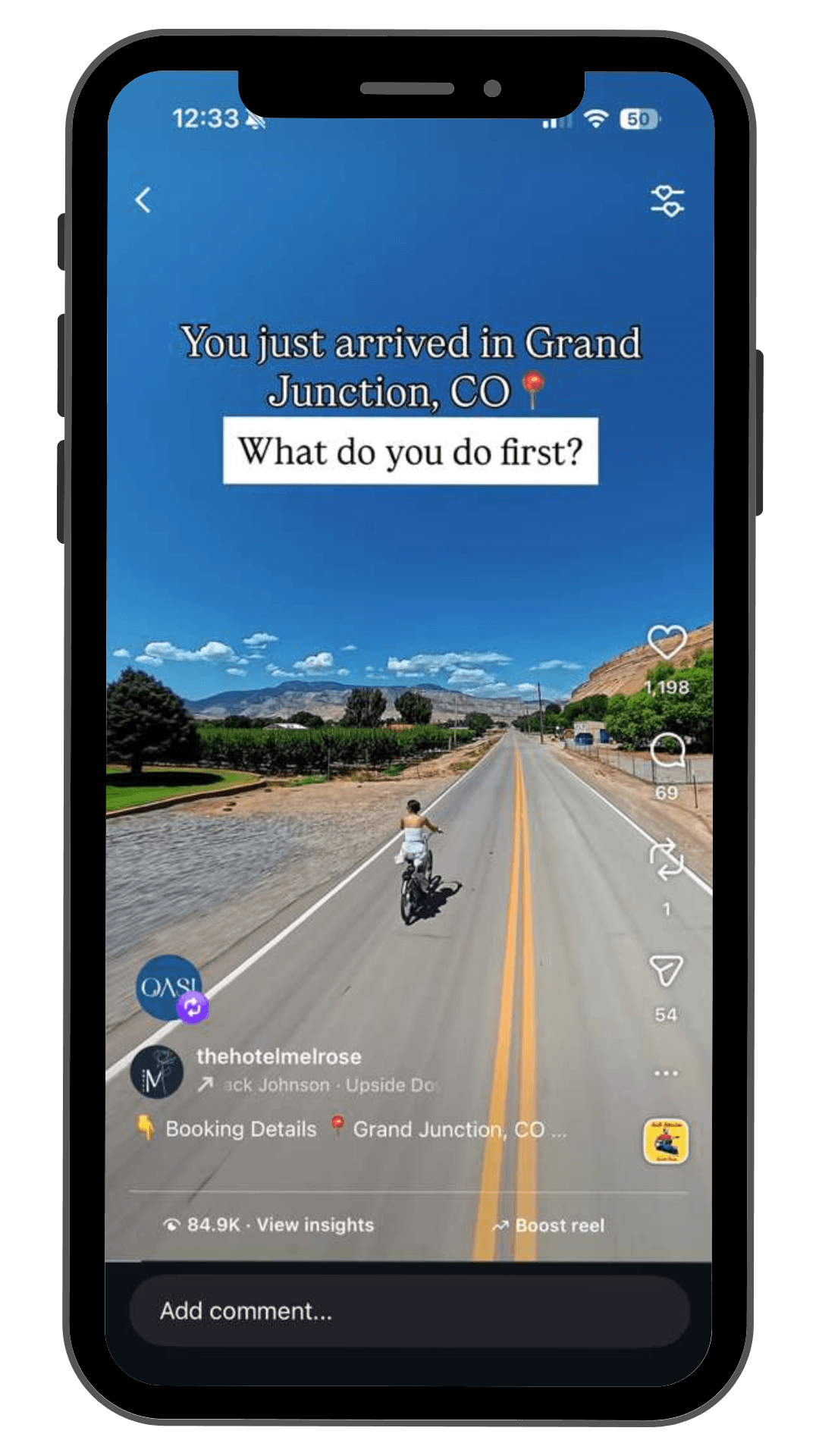
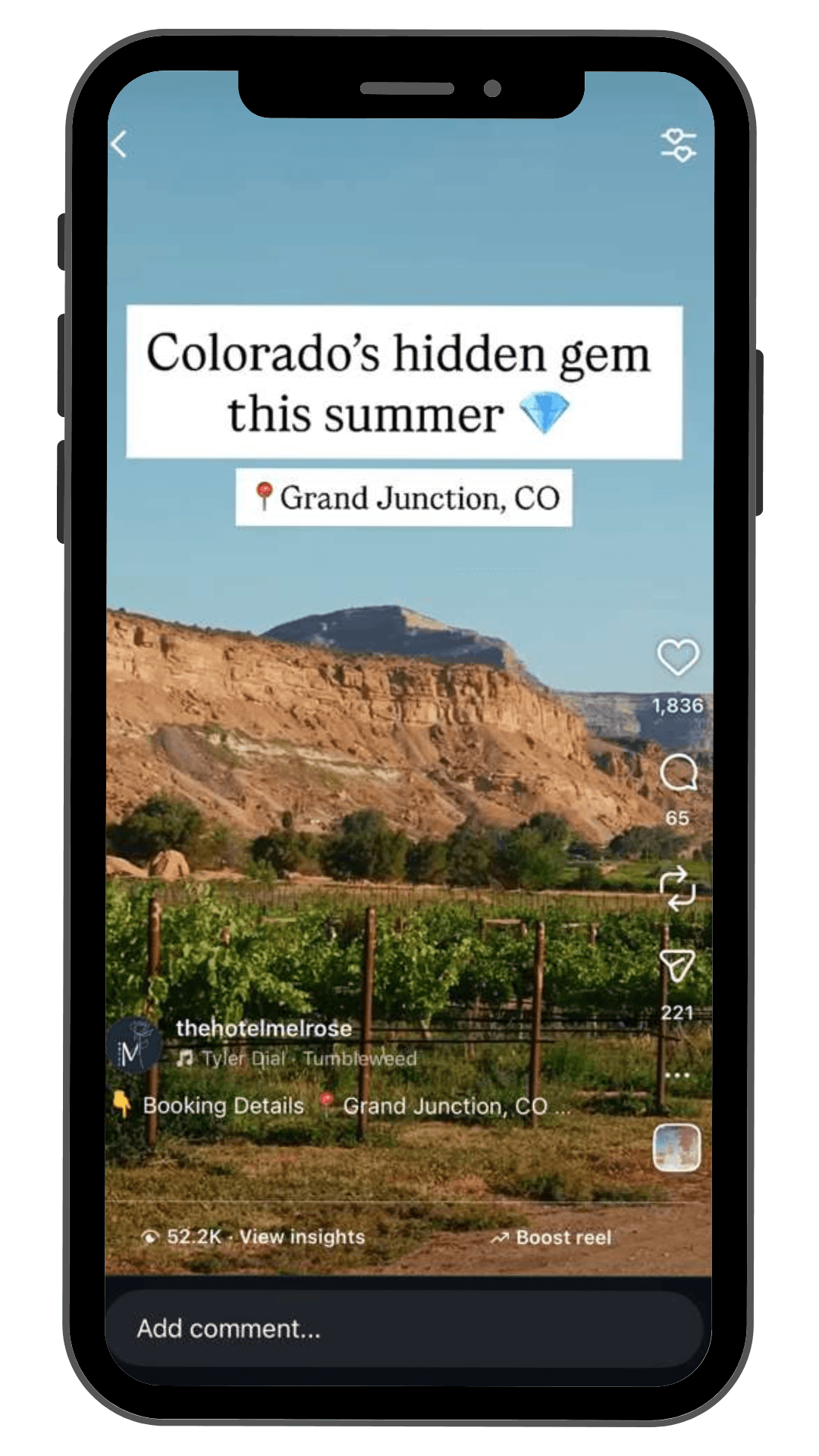
Content Examples

Conclusion
Many hotels attempt to optimize pricing using limited demand signals. Oasi expands the signal set.
By integrating real-time demand indicators with active revenue management, Hotel Melrose was able to price earlier, yield smarter, and capture more value from each stay date.