Jan 20, 2026
The 8 Best Farm Hotels in America Right Now
Exploring the best farm hotels in the US and why they've surged in popularity in recent years...
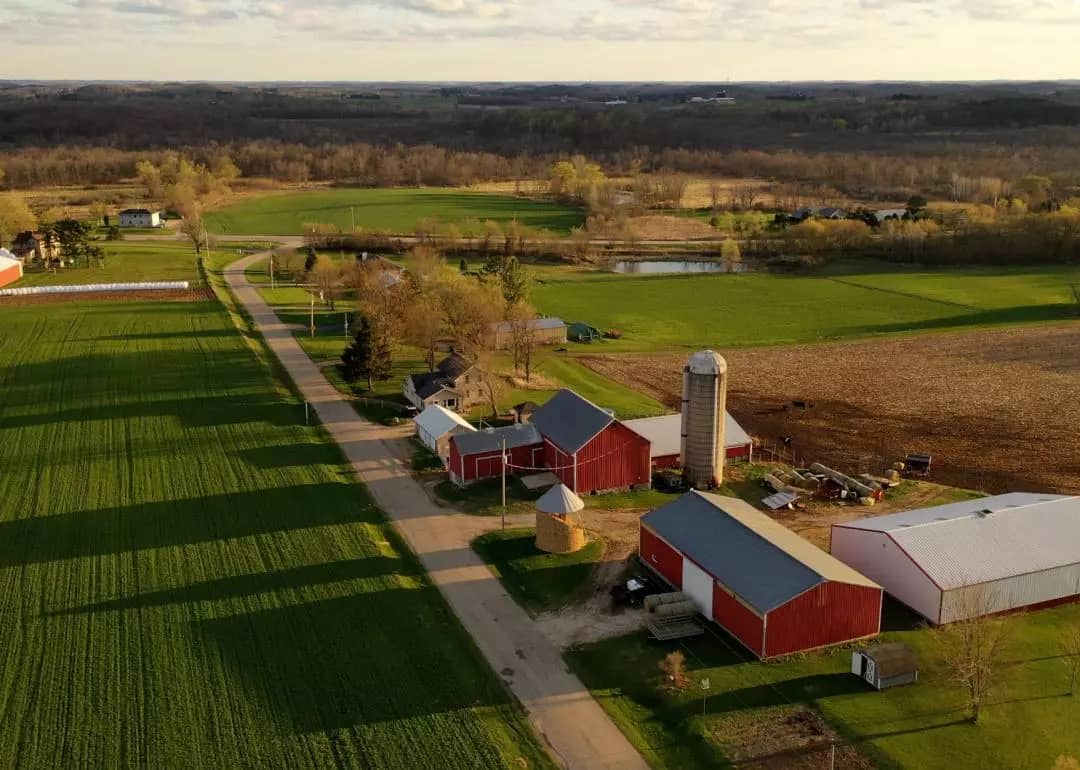
A few weeks ago, we broke down why farm hospitality works.
Farm-first thinking. Properties where the agricultural operation comes first, then you build the hotel around it.
The response has been pretty incredible. It’s clear farm hospitality and agritourism are having a moment. And so we thought we'd do some digging to understand the best of what America has to offer in this space.
So here are eight of the best farm hotels in America right now.
Of course, the list is somewhat subjective and there are some other amazing properties out there (many that we will write about) but this list is a worthy starting point.
Each one proves that when you stay ON a working farm/ranch, not in town nearby and not at a resort with gardens, the entire experience changes.
Let’s dive in!
8. The Ranch at Rock Creek, Montana
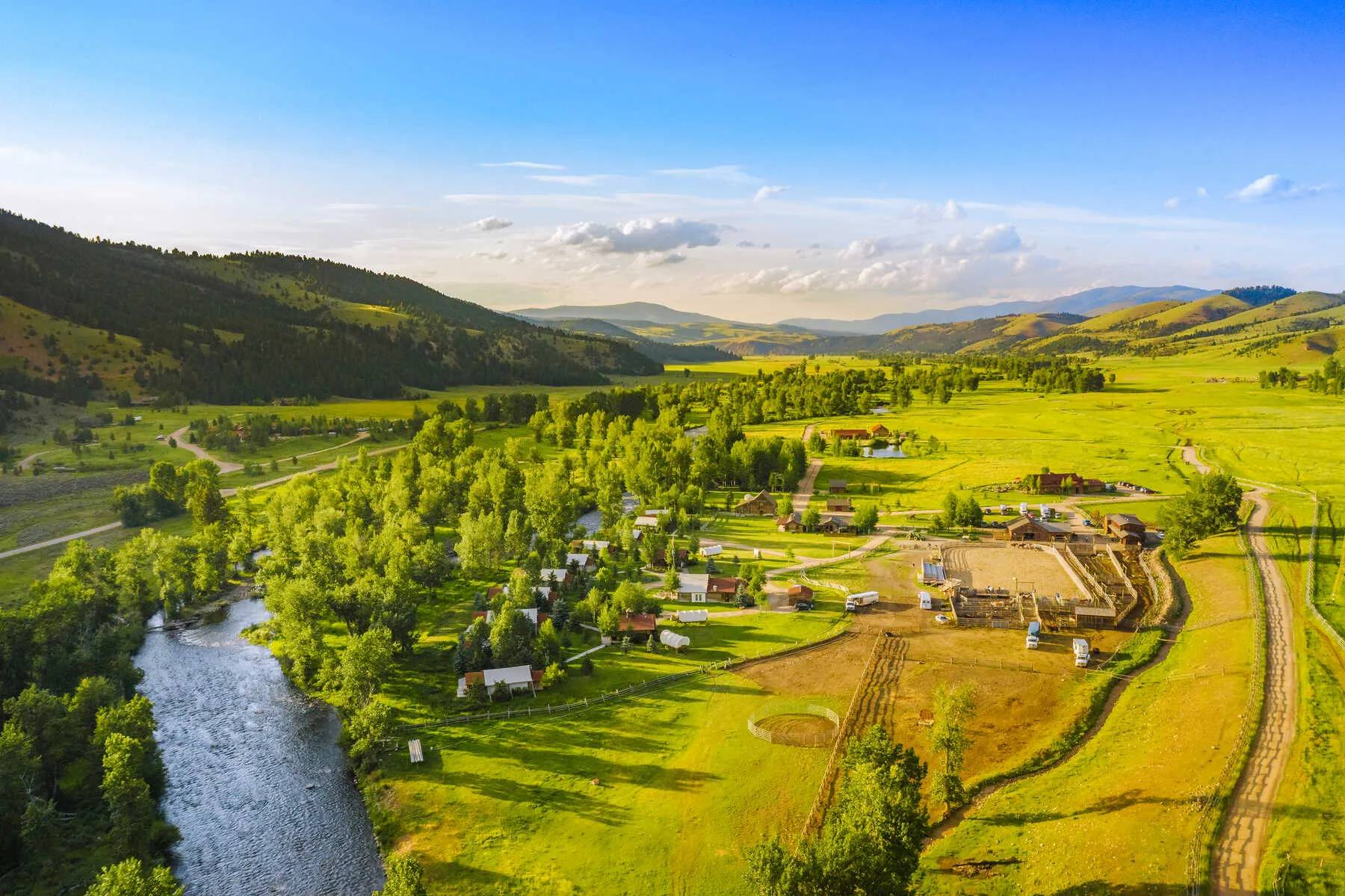 |
This is 6,600 acres of working cattle ranch in the Montana wilderness.
Guests join real ranch activities like moving cattle on horseback during Stockmanship sessions and riding along with the ranch manager on daily rounds. Every summer brings weekly rodeos in the Roosevelt Arena where the actual ranch crew competes.
The all-inclusive rate covers 35 activities, twice-daily guided adventures, and farm-to-table meals with nearly all ingredients sourced from Montana. Executive Chef Josh Drage sources 75% of the food from local Montana farms and ranches.
7. Carmel Valley Ranch, California
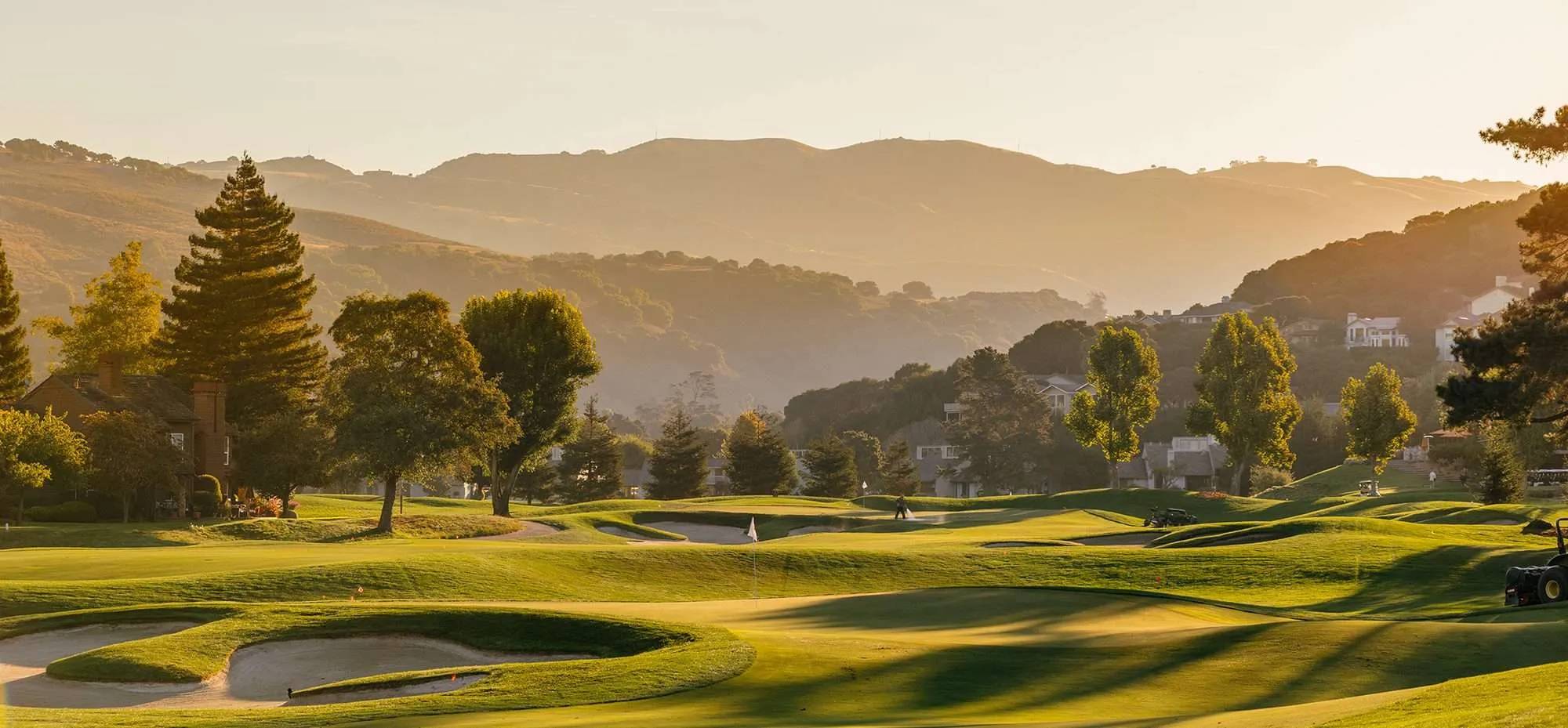 |
500 acres in California’s Central Coast wine country where a golf resort reinvented itself as a playful farm experience.
Over 7,000 lavender plants blanket the hillsides. They hand-harvest sea salt from Monterey Bay in a solar evaporation house on property. The “Bee Experience” lets you don a suit and explore the apiary, tasting honey straight from the comb.
There’s goat yoga and an Interactive Farm Tour runs every afternoon where families feed chickens and pick tomatoes.
The ranch emphasizes play as wellness and that unique focus especially lands it on this list.
6. The Inn at Serenbe, Georgia
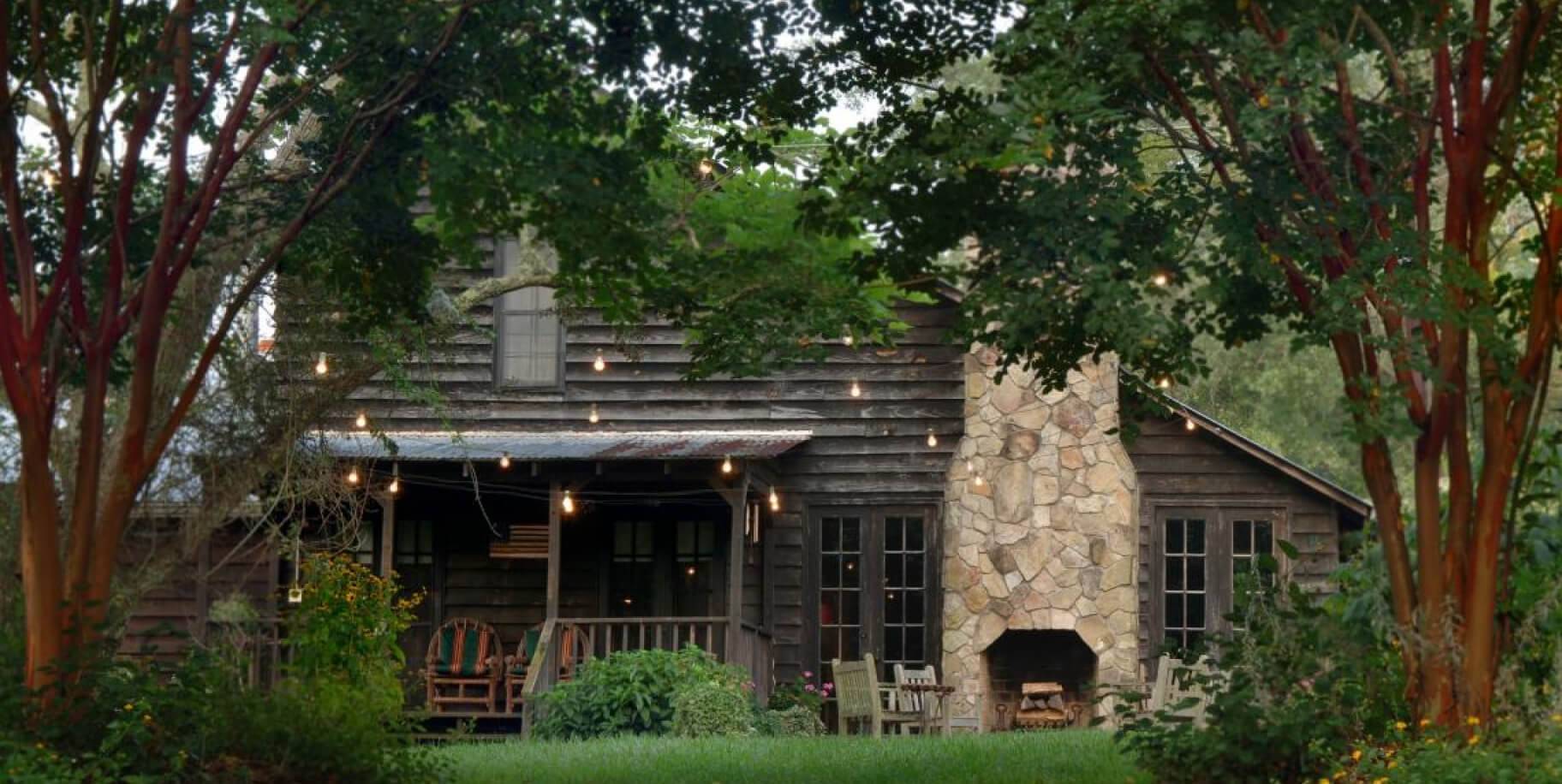 |
Just 30 minutes outside Atlanta, Serenbe pioneered the “agrihood” concept – a wellness community built around a working farm.
The Inn sits on 36 acres of preserved countryside with a 25-acre certified organic farm producing over 300 varieties of fruits, vegetables, herbs, and flowers. Every Saturday, farmers lead tours where guests pull carrots, taste fresh cucumbers, and volunteer in seasonal plantings.
The Farmhouse restaurant serves legendary fried chicken alongside seasonal veggie dishes sourced straight from Serenbe Farms.
It’s a place where farming, community, and hospitality truly coalesce.
5. The Inn at Newport Ranch, California
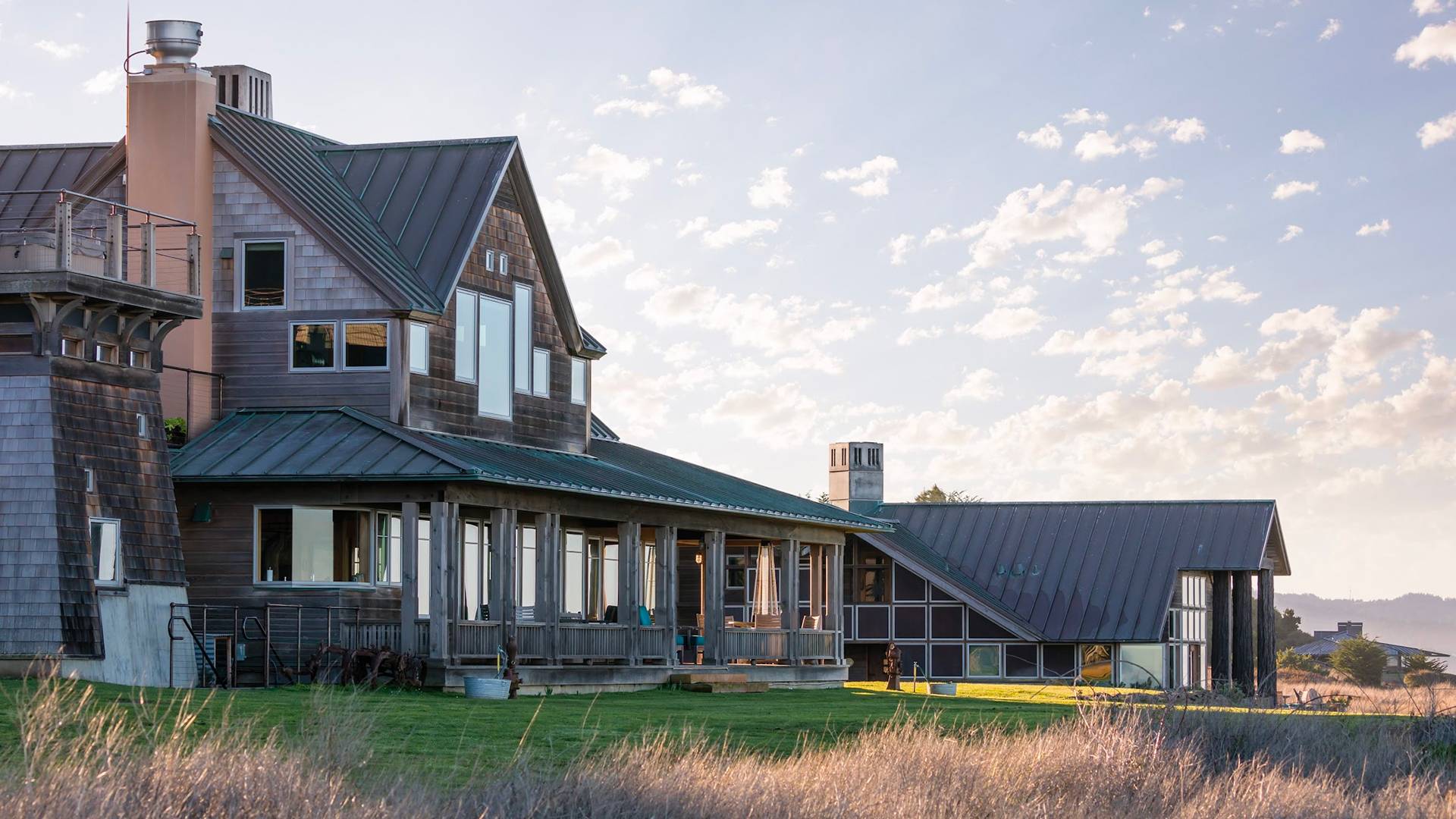 |
2,000 acres on the wild Mendocino Coast where ancient redwood forests meet Pacific headlands.
The inn sources nearly 80% of its produce from extensive organic gardens on the property using regenerative methods that actually enrich the soil. Mornings might involve collecting eggs from free-range hens or sampling honey straight from resident beehives.
The chef leads guests on foraging expeditions for wild mushrooms and coastal edibles. There’s a medicinal mushroom farm tucked in the woods where you can take workshops on growing oyster mushrooms.
Dinners are often communal affairs at a massive redwood slab table, featuring seaweed salad from kelp gathered on the ranch’s private beach.
4. Los Poblanos Historic Inn & Organic Farm, New Mexico
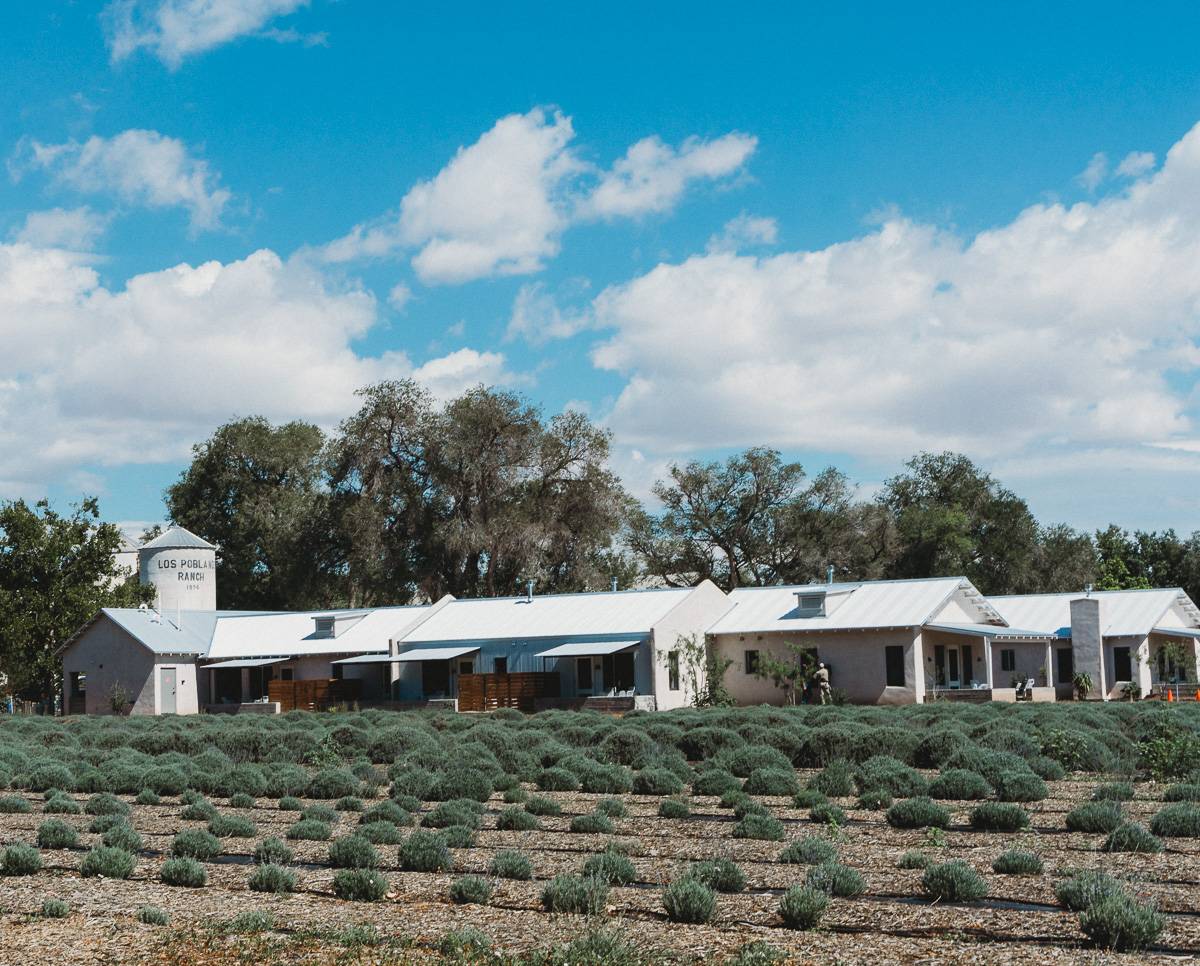 |
25 acres of lavender fields and organic gardens set in a 1930s Pueblo Revival hacienda designed by renowned architect John Gaw Meem.
The working organic farm is famous for its fields of purple lavender – distilled on-site into bath products and culinary ingredients. You can tour the lavender fields, visit the farm animals, and join workshops ranging from beekeeping to traditional salsa making. They still do traditional horno oven bread baking demonstrations where guests gather around fires.
Restaurant Campo celebrates the Rio Grande Valley’s bounty with lavender-infused honey from the farm’s hives, eggs from heritage chickens, and chiles and herbs grown just outside the kitchen.
The property is recognized as a regenerative farm model proving how historic preservation and sustainable agriculture can work hand-in-hand.
3. Brush Creek Ranch, Wyoming
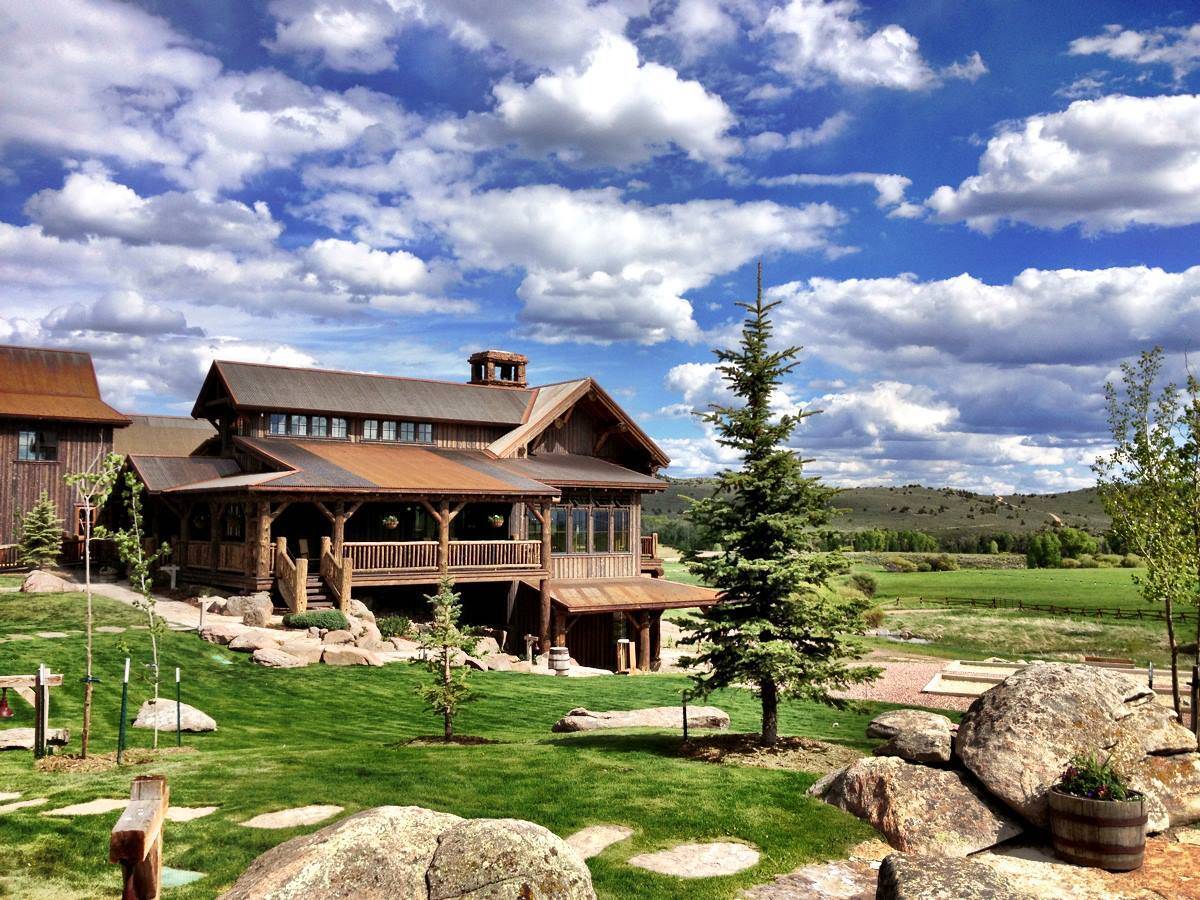 |
A 30,000-acre working cattle ranch in Wyoming’s North Platte River Valley that’s transformed into a ranch paradise.
The Farm at Brush Creek includes a 20,000-square-foot greenhouse, creamery, distillery, brewery, and wine cellar. The greenhouse alone cultivates 100,000 pounds of organic produce per year to supply the ranch’s kitchens.
At the Cheyenne Club restaurant, Executive Chef Angus McIntosh crafts ranch-raised Wagyu steaks, greenhouse-grown sides, and cheeses made from resident Alpine goats which are all prepared on-site. You can take cheesemaking classes in the morning, then ride horses across wildflower meadows in the afternoon.
Herd cattle by morning, harvest dinner from the greenhouse by afternoon.
2. Southall Farm & Inn, Tennessee
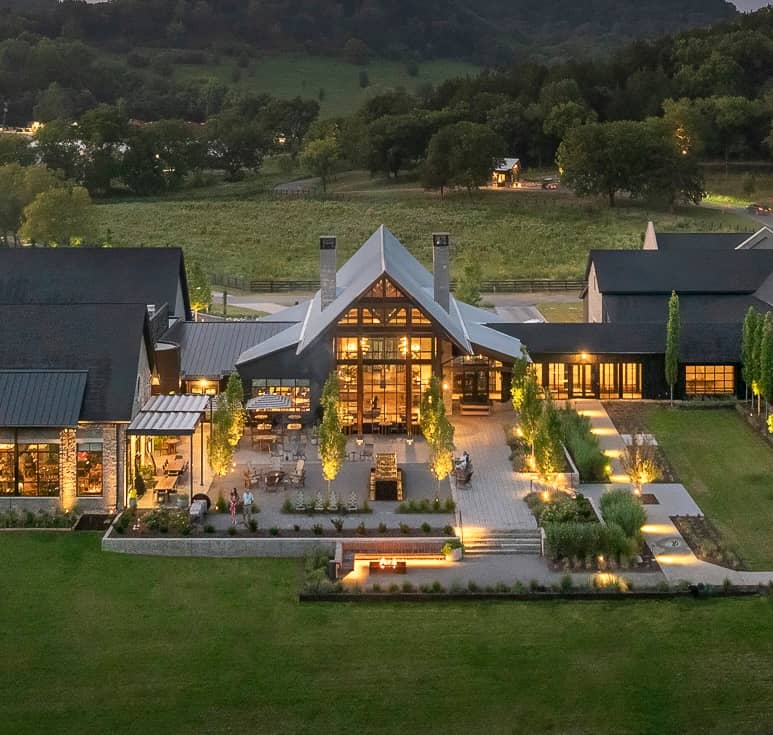 |
325 acres of rolling Middle Tennessee hills where they did something radical: they restored the soil for years before they ever opened a single room to guests.
The property now has 62 rooms and 16 cottages, but the real infrastructure is agricultural. 1,400 apple trees. Hydroponic greenhouses. Heritage row crops. Seven apiaries buzzing with millions of bees.
The chef’s menus are dictated by what’s ripe that week. If the apples aren’t ready, they’re not on the menu. Daily farm tours let you walk into the fields, meet the farmers, and sample figs or cherry tomatoes straight off the vine. Even the spa treatments use honey from Southall’s hives and herbs from their medicinal garden.
Southall is all about farm-first thinking and has become the benchmark for regenerative farm hospitality.
1. Blackberry Farm, Tennessee
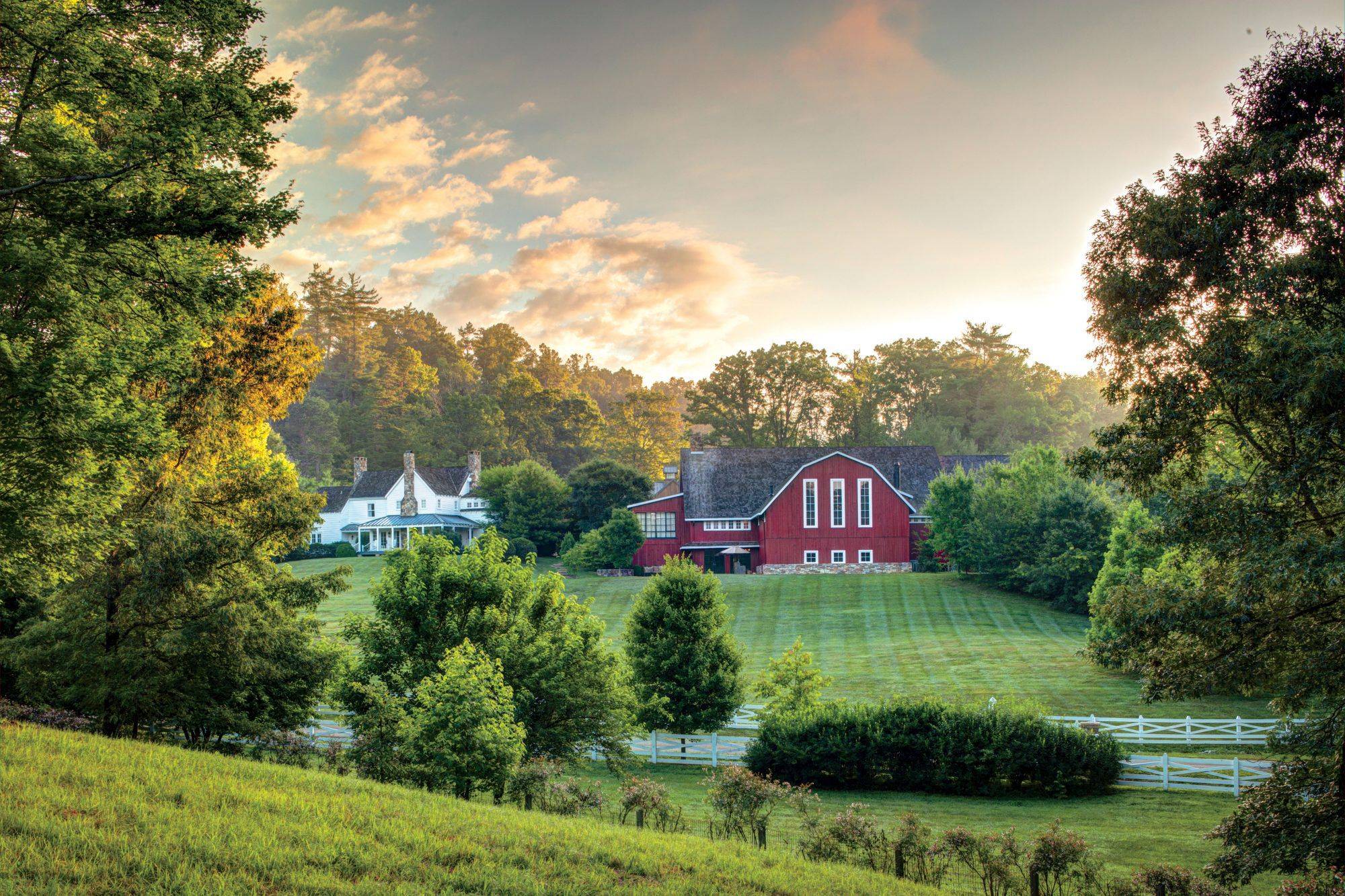 |
4,200 acres in the foothills of the Great Smoky Mountains. The gold standard of American farm hospitality since 1976.
This is the property that pioneered the entire category by building a luxury resort around its working farm rather than the other way around. They run an on-site creamery, bakery, and charcuterie operation. Five acres of heirloom vegetable gardens. Their own flock of sheep for award-winning artisan cheese.
The culinary program features James Beard-recognized chefs and alumni who’ve built the resort’s reputation for world-class farm-to-table dining. The Wellhouse spa uses herbs and honey harvested directly from the property.
Travel + Leisure named Blackberry Farm the #1 resort in the South in 2024. Blackberry Mountain came in at #2. Nearly 50 years of proving that when the farm comes first, everything else follows naturally.
They’re the blueprint that luxury farm hospitality properties across America have been trying to replicate.
What These Eight Share
Eight very different properties. Tennessee to Wyoming to New Mexico to California to Georgia.
But they all understand the same principle: guests stay on the working farm.
At Blackberry Farm, farming is identity. At Southall, soils were restored before construction. At Brush Creek, 100,000 pounds of harvest drives operations. At Los Poblanos, agricultural traditions are preserved alongside architecture. At Newport Ranch, 80% of ingredients come from the property. At Serenbe, 300+ varieties create an agrihood. At Carmel Valley Ranch, 7,000 lavender plants and daily farm tours. At Windy Hill, a working quail preserve meets farm-to-table dining.
None of these are resorts with nice gardens.
They’re working farms that happen to have exceptional accommodations. Fields, greenhouses, apiaries, livestock – these are as essential as the spa or restaurant kitchen.
That distinction matters. Guests can tell when they’re staying on a farm versus visiting one.
And they pay premium rates for the real thing.
Why Baya Is Built On This
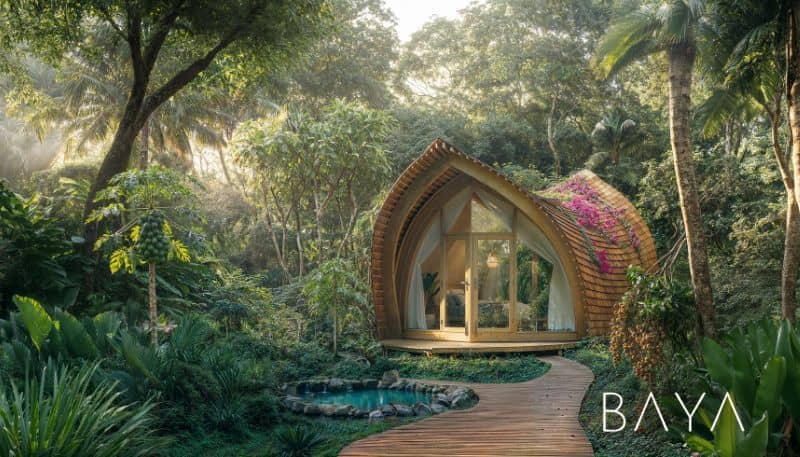 |
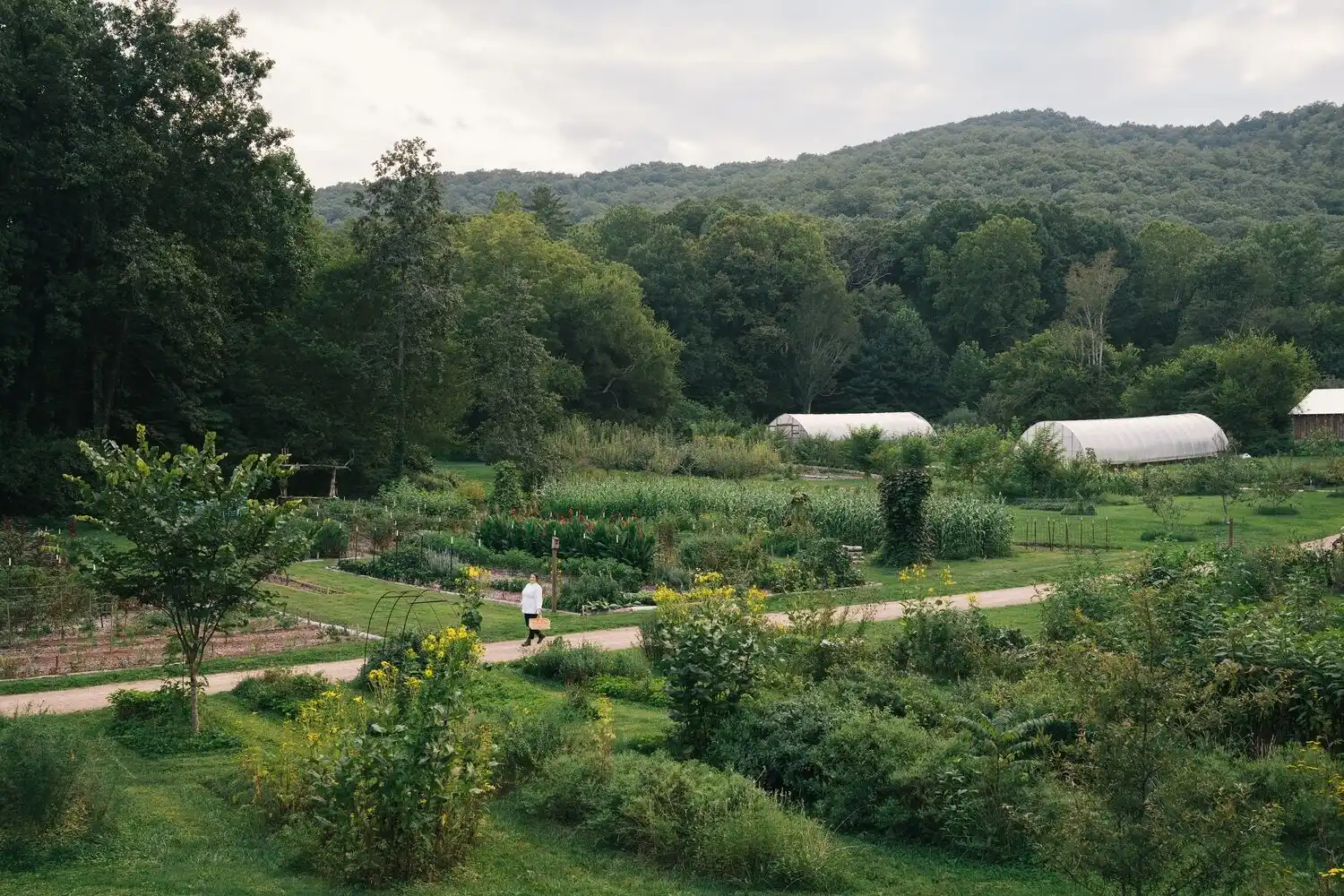
We’re developing Baya on 25 acres of exotic fruit farm in South Florida’s Redlands with this same philosophy.
The agricultural operation comes first. Everything else flows from that.
We’re not adding a farm to a hotel concept. We’re building a hotel around an existing fruit farm that’s been producing for decades. The same way Southall restored soils before opening rooms. The same way Blackberry Farm made the farm foundational in 1976.
Guests will stay on the farm, harvest tropical fruit for their meals, and learn about rare fruit cultivation. Participating in the actual farm cycle and experiencing it for themselves.
These eight properties validate this approach. When agriculture is truly foundational, you create experiences modern travelers are willing to pay a premium for.
The Operator Lesson
For operators considering this category, there’s a lesson from these top properties:
The more integrated or foundational the farm is, the better the guest experience.
Guests want to stay on the farm. It’s what elevates these stays above everything else.
These eight properties got it right. Guests wake up on the farm/ranch, participate in its operations, and eat what’s harvested there.
When that ethos is embedded from day one, they return for years and pay premium rates.
When it’s just for show, they’ll see through it immediately.