Dec 31, 2025
Farm Hospitality is Having a Moment and Here's Why...
How farm hospitality is reshaping the next decade of hotels and experiences...
We’ve been talking about farm hospitality a lot lately.
It’s the foundation of Baya, our next landscape hotel project in South Florida.
We’re building on 25 acres of tropical fruit farm in the Redlands – the #1 tropical agriculture hub in the country. The farm came first. Everything else flows from that.
The more we study this category, the more we see why it works.
The market is growing at 12% annually. Some of the best-performing luxury properties in the world are farm hotels – earning Michelin Keys and James Beard awards.
There’s a massive difference between a farm hotel and a hotel with a nice garden.
Farm-First Thinking
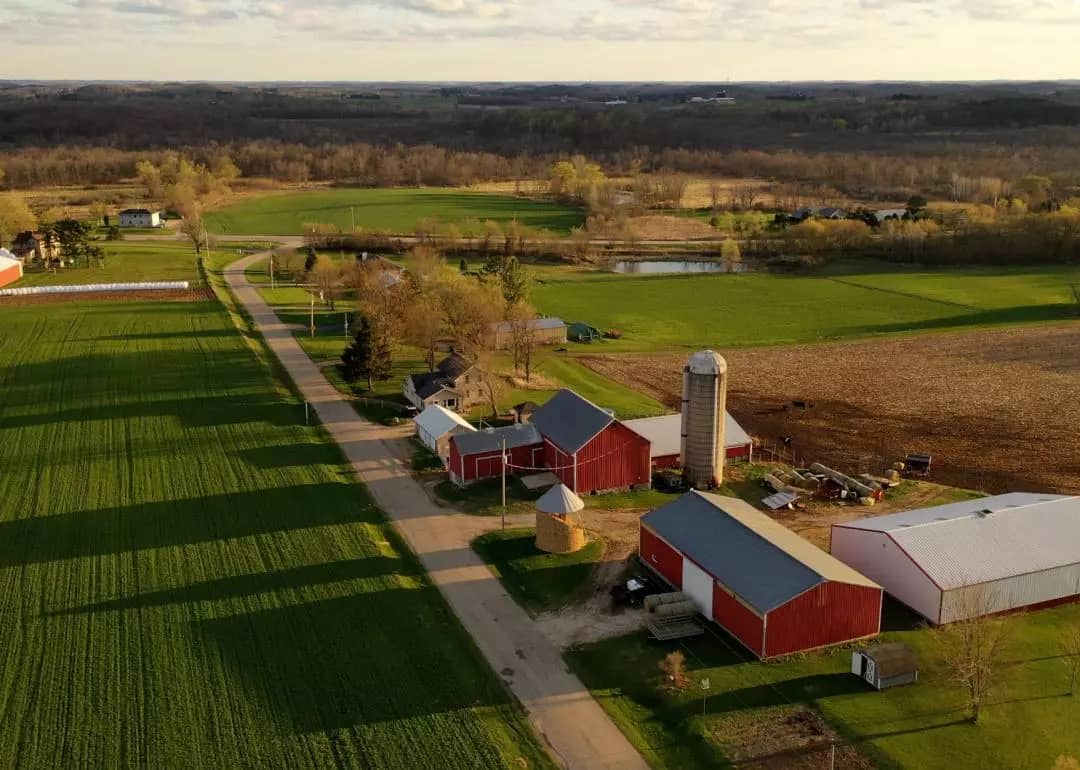
Farm hospitality is anything that connects a stay to agriculture. Growing food, farm-to-table dining, livestock, goods made on-site.
What really separates the winners from the pretenders is farm-first thinking.
The farm comes first. Then you build the hotel around it.
Everything flows from the agricultural operation – what’s on the menu, what’s in the spa treatments, what guests can do and learn.
These aren’t hotels with farms attached. They’re farms with rooms.
And guests can participate in the actual farming.
Instead of just eating farm-to-table food, you’re harvesting vegetables for dinner. Pressing olives into oil. Learning beekeeping. Milking cows. Picking fruit that’ll be on your plate that night.
That participation is everything.
Why This Works Right Now
Farm hospitality taps into three things modern travelers actually want.
Wellness and transparency.
People care about where their food comes from. They want to see it being produced and know it’s ethically sourced.
Research shows 99% of consumers want transparency in their fresh food.
Farm hotels remove the need for certifications or opaque supply chains. You walk into the field. You see the production process. You interact with the farmers.
That visual verification builds instant trust. And it justifies premium pricing.
Participation and learning.
Modern travelers want to do, not just observe.
They want hands-on experiences – harvesting heirloom vegetables, collecting eggs, making cheese, working in the garden. These activities satisfy a deeper need for skill-building and tangible connection.
A study from the Michelin Guide found that a growing portion of guests actually want to farm their own food during a stay. They’re paying for the privilege of working.
Nostalgia for simpler times.
Not everyone wants to live on a farm full-time. But most people want to experience it for a few days.
To reconnect. Get back to a way of life that isn’t so dominated by tech. Wake up to birdsong instead of notifications.
Bookings for countryside retreats shot up over 200% between 2022 and 2023, according to one retreat-planning platform. Corporate groups are choosing rural farm estates over urban conference centers.
People are willing to pay premium rates to slow down and feel like themselves again.
The Market Is Real
The global agritourism market is valued at roughly $8-9 billion today. By 2030-33, it’ll hit $15-21 billion.
That’s 11.9% compound annual growth.
North America alone accounts for 46% of the global market share.
And the luxury segment is leading the charge. In 2025, Michelin introduced MICHELIN Keys for exceptional hotels. The inaugural list included seven historic masserie – Italian farmhouse hotels.
Travel + Leisure, Vogue, and Condé Nast routinely feature farm resorts like Blackberry Farm, Southall Farm, and Babylonstoren among the world’s best properties.
This isn’t a niche anymore. It’s becoming a distinct category in hospitality.
The Properties Leading This
Some of the best luxury hotels right now are on working farms. Guests are paying premium rates to harvest vegetables for dinner, press their own olive oil, and understand exactly where their food comes from.
Here are five properties defining this movement.
5. Borgo Santo Pietro, Tuscany
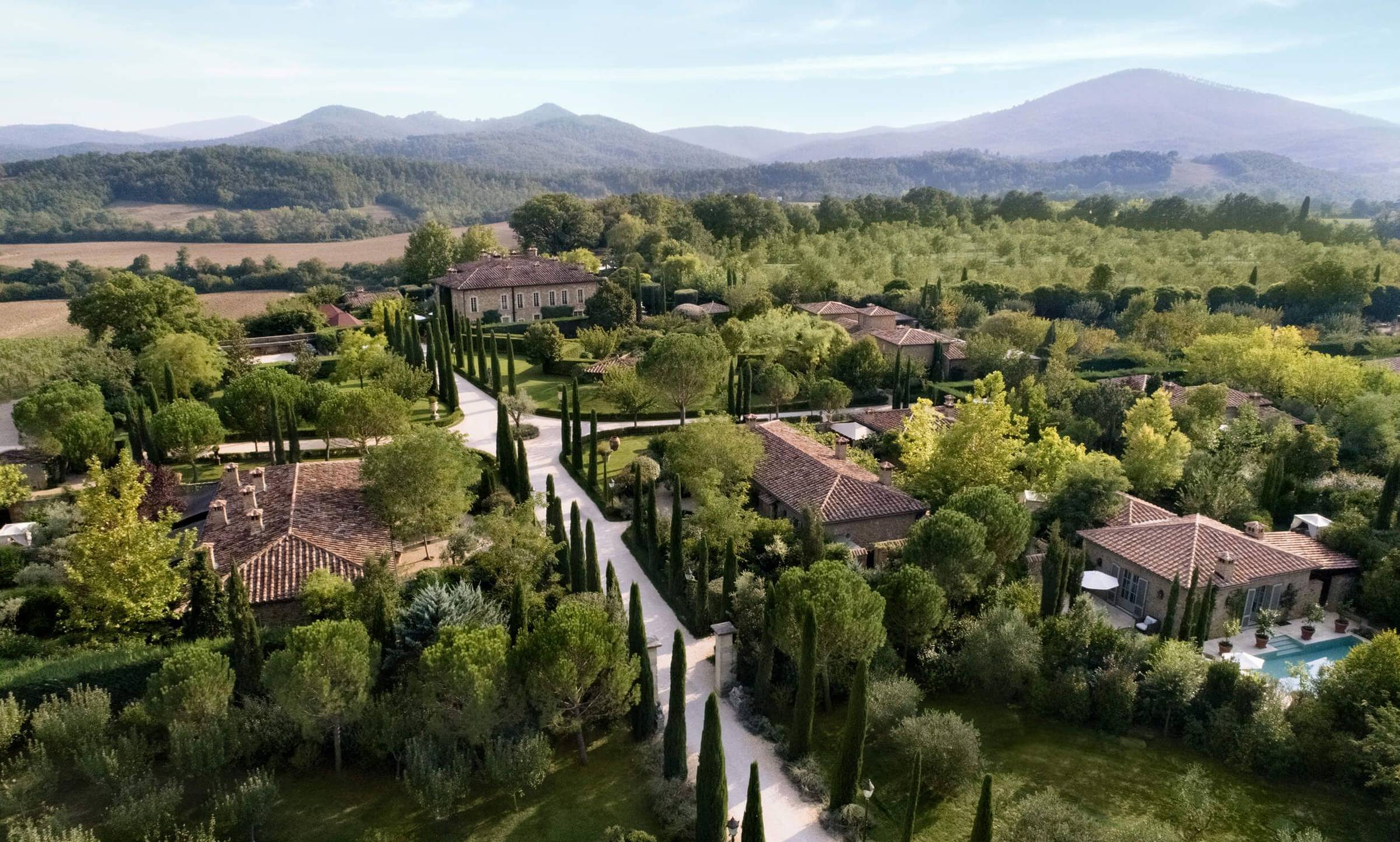 |
An 800-year-old estate on 300 acres of biodynamic farmland. They milk sheep daily for on-site cheese. Guests forage for truffles. 1,000 years of Tuscan soil turned into a luxury experience.
4. Finca La Donaira, Andalucía
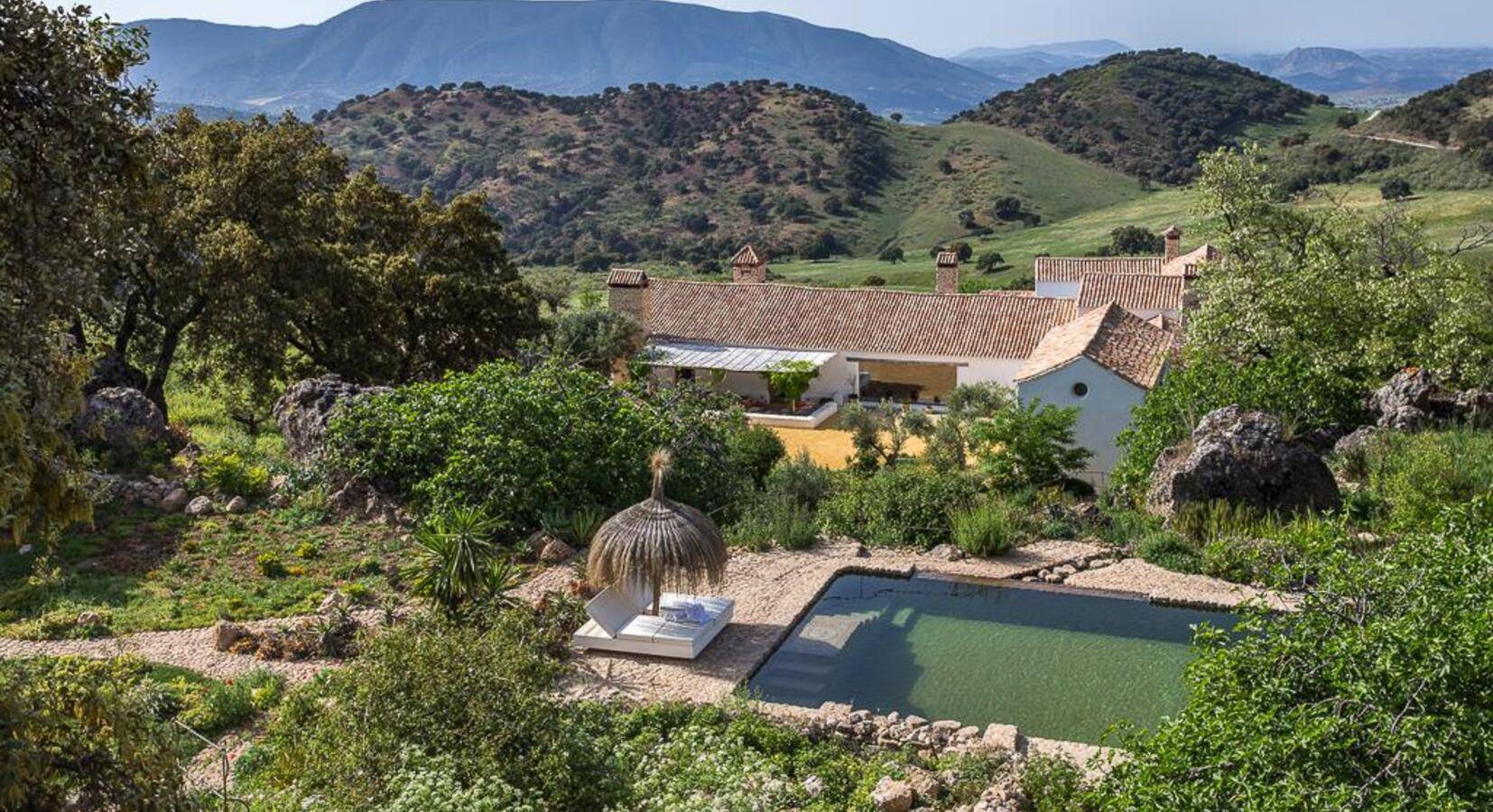 |
Nine rooms. Certified biodynamic farm. Over 80 purebred Lusitano horses. Michelin Green Star kitchen. Everything from bread to charcuterie is made on-site. The spa uses herbs from their medicinal garden with 350+ healing plants.
3. Blackberry Farm, Tennessee
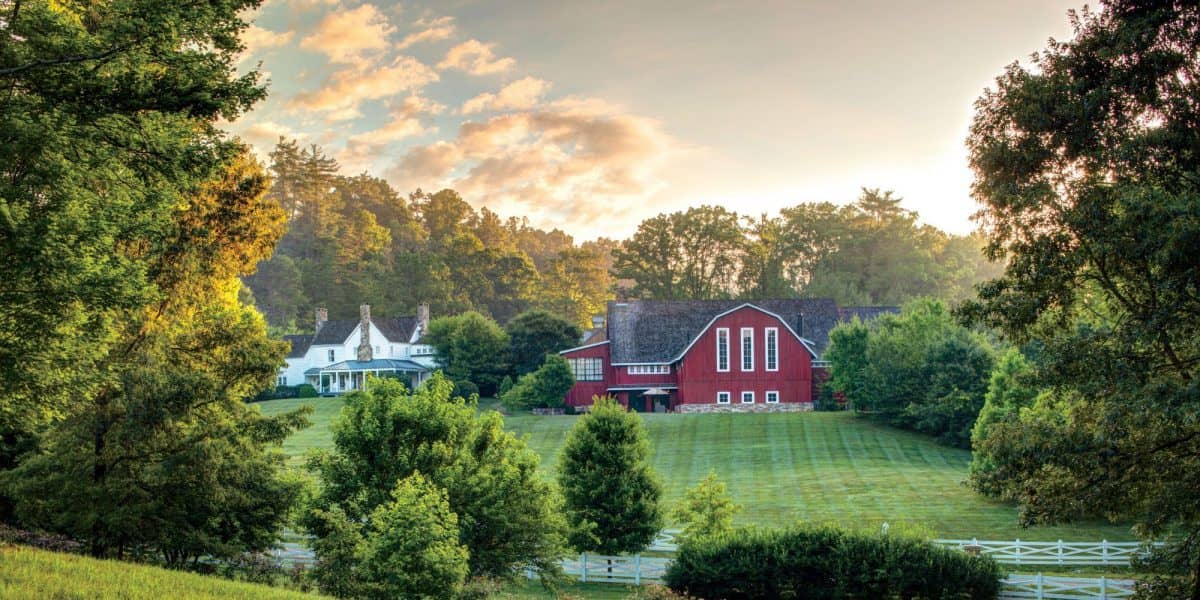 |
The American pioneer of luxury farm hospitality. Three consecutive James Beard Awards. They make award-winning artisan cheese from their own flock of sheep. Travel + Leisure #1 Resort in the South 2024.
2. Southall Farm, Tennessee
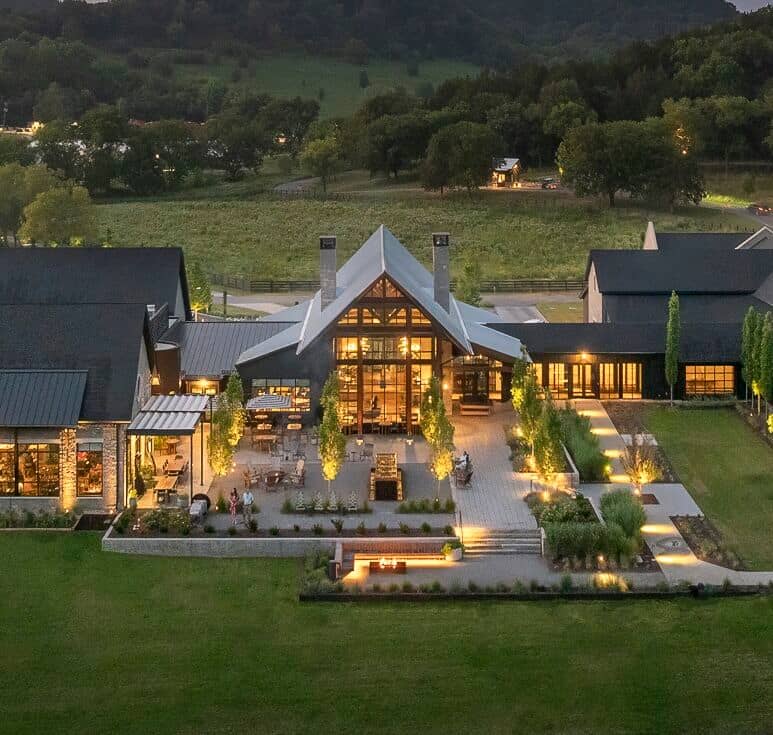 |
325 acres near Nashville. Built the farm first, resort second. Their flagship restaurant is called January – named after the hardest month to source fresh produce. They operate on the Seed-to-Soul Continuum where the farm dictates the menu, spa treatments, and guest experiences.
1. Babylonstoren, South Africa
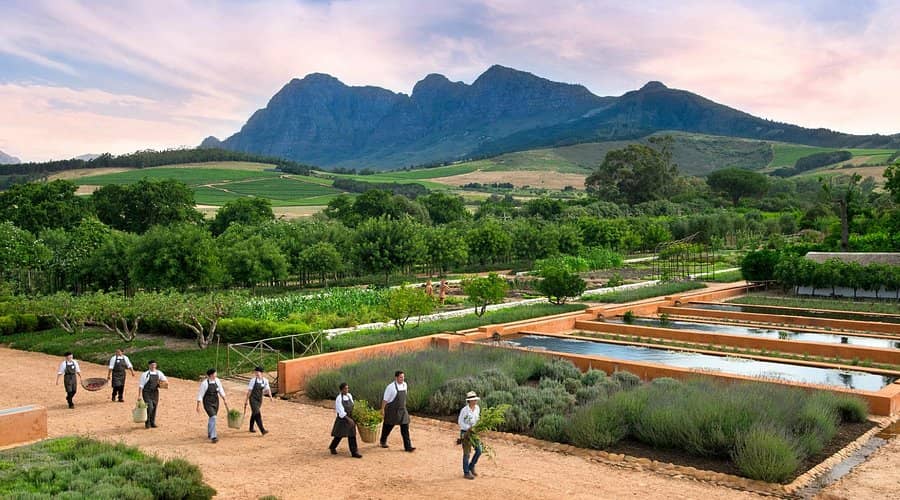 |
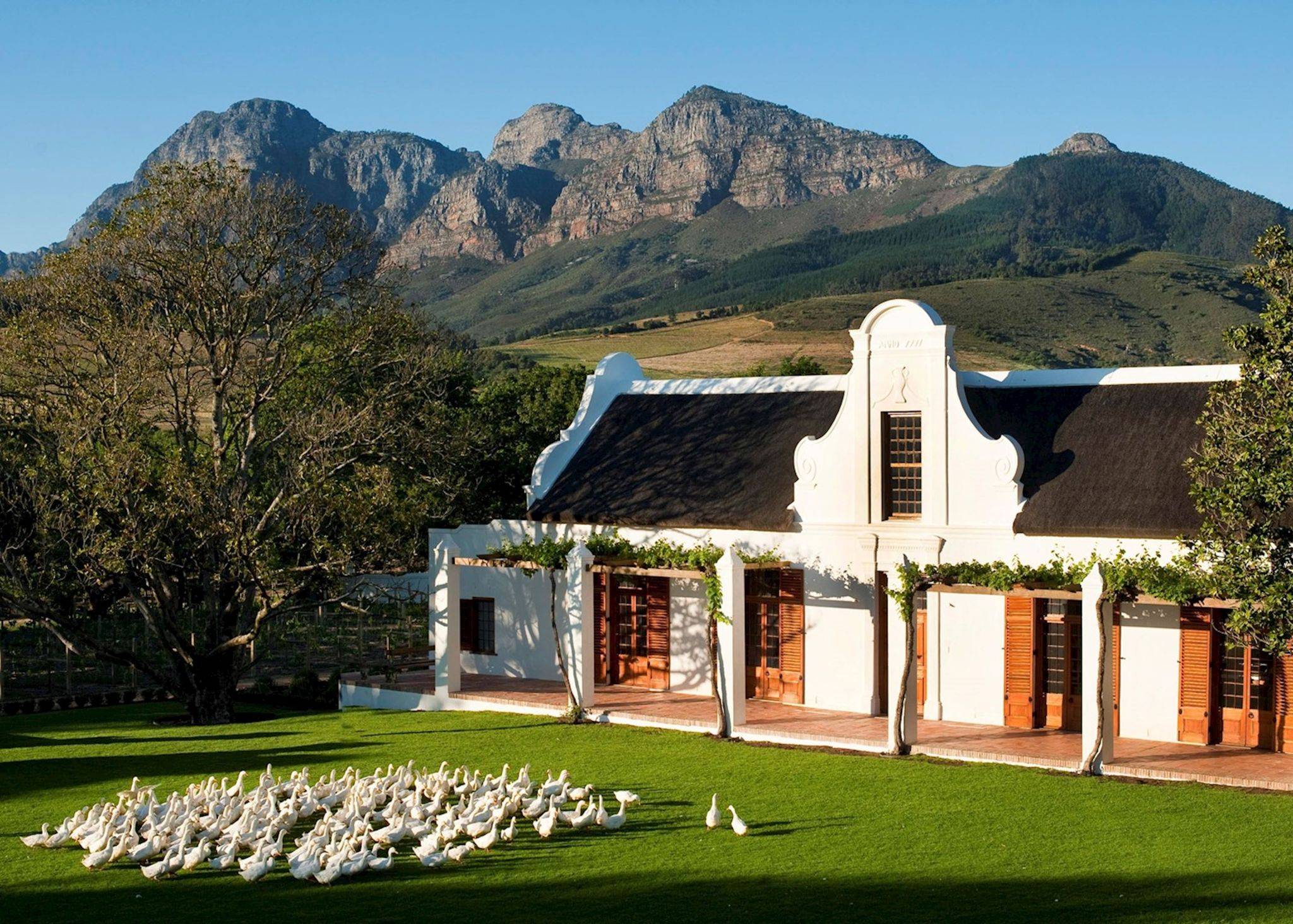
A 333-year-old Cape Dutch farm in the Winelands. 5-hectare garden called “the Versailles of vegetable gardens.” Over 300 edible or medicinal plant varieties. 70% of all ingredients served come from the property. Field to plate in one day.
Of course this list isn’t exhaustive. You have incredible properties like Deplar Farm and also ranch properties that are part of this trend as well – Brush Creek, Ranch at Rock Creek, Paws Up all have farm hospitality elements with livestock, farm-to-table, and growing produce that’s used on site.
This is the blueprint everyone else is copying.
What Guests Are Actually Paying For
The Modern Traveller isn’t interested in just paying for nice rooms.
They’re spending good money on:
Authenticity and trust. Seeing a chef harvest lettuce from the garden next door creates confidence in quality. Properties that can say “our beef came from our pastures” command higher rates. The farm itself becomes proof of concept.
Participation and identity. A farm stay is an active identity badge. “I am the kind of person who picks tomatoes at dawn.” Guests willingly pay extra for workshops because the experience reinforces a lifestyle image they want.
Wellness beyond spa. Farm properties integrate wellness into every moment. A morning yoga class overlooking an orchard. A walk through the fields before breakfast. Digital detox because there’s genuinely nothing to do except be present.
Community and purpose. Communal meals from the farm harvest. Shared work projects. Feeling part of something purposeful, even if just briefly. This contrasts sharply with anonymous luxury hotels.
In summary, guests pay for the farm itself – the story, the lifestyle, the privilege of participation.
Where This Is Heading
Farm hospitality is bleeding into other categories.
Agrihoods are master-planned residential communities built around working farms. There are over 200 operating across the United States right now.
These communities include farm-to-table restaurants, co-ops, event calendars, and yes – farm hotels.
For example, Louisville’s Moncayo project includes an Auberge resort plus 400 luxury residences, all organized around a 100-acre regenerative farm.
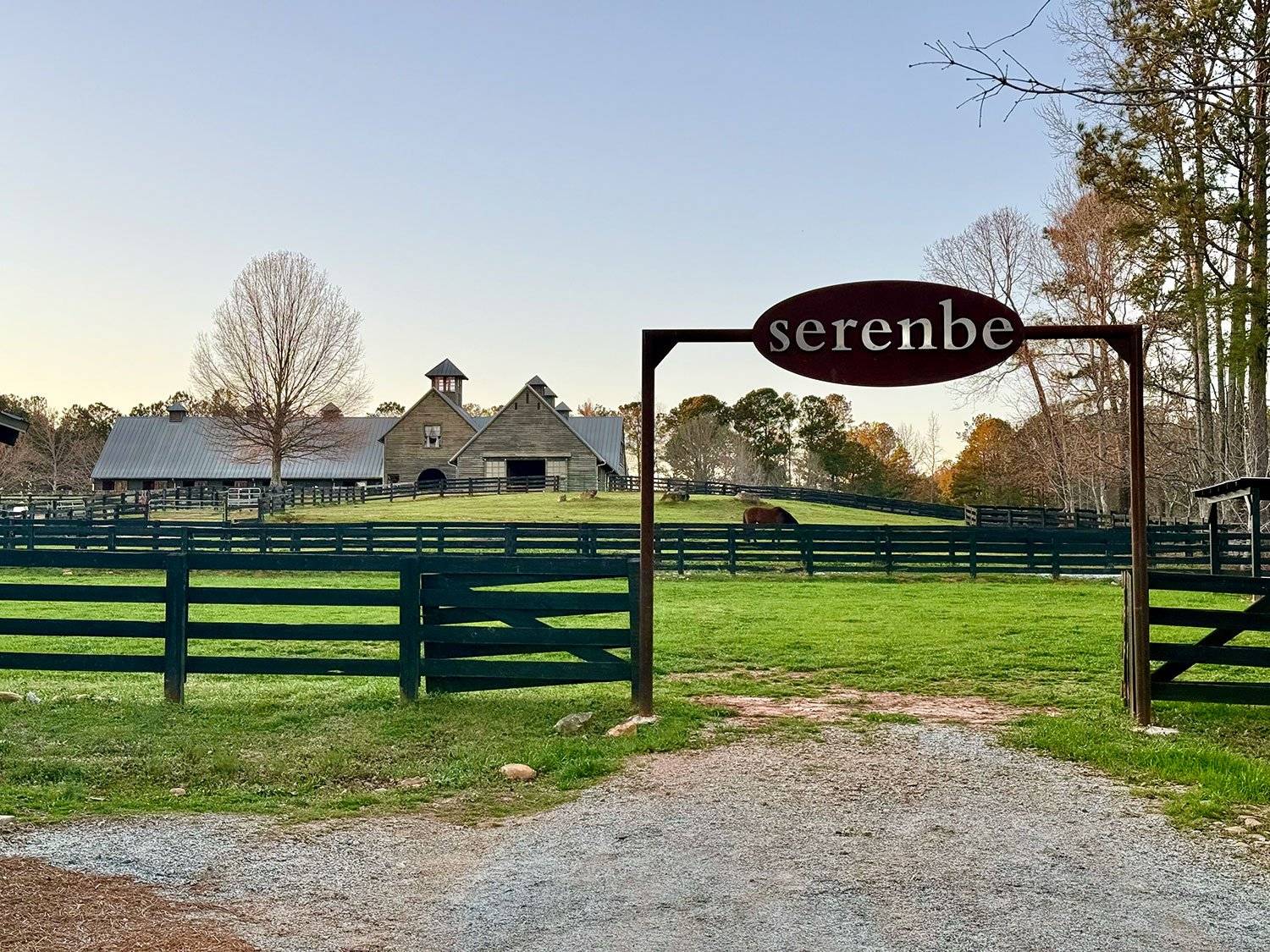
And then there’s Serenbe, arguably the most well-known agrihood/wellness community in Atlanta, Georgia.
 |
New homebuyers are drawn by access to the farm. Walking the fields and eating community-harvested meals are now marketed amenities.
Corporate offsites are also integrating agritourism. Companies now average 2.6 offsite events per year, and many are choosing country estates over city conference centers.
The corporate wellness market is expected to nearly double from $64 billion in 2023 to $123 billion by 2032. Farm properties with wellness programming are capturing a significant portion of that growth.
This convergence – wellness, gourmet food culture, residential development, corporate travel – is fueling exponential growth in farm-based hospitality.
Why Baya Is Built On This
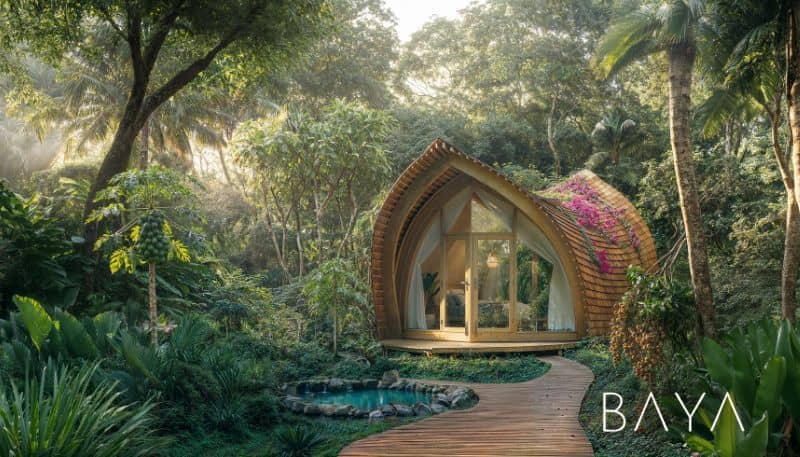 |
We’re developing Baya on 25 acres of exotic fruit farm in South Florida’s Redlands.
The farm dictates everything. What we serve. What spa treatments we offer. What guests experience during their stay.
We’re not adding a farm to a hotel concept. We’re building a hotel around an existing agricultural operation.
Guests will harvest tropical fruit for their meals. Learn about rare fruit cultivation. Participate in the farm cycle.
This isn’t decoration. It’s foundational to the entire project.
The data and the leading properties validate this approach. Farm-first thinking works because it delivers what modern travelers actually want – transparency, participation, connection to land, and a break from the digital chaos.
For operators considering this category, the lesson is clear: you either commit fully or not at all.
You can’t bolt farm elements onto an existing property and expect guests to buy it. They can tell when agriculture is authentic versus when it’s stage-managed.
The farm must be core infrastructure. Fields, gardens, and livestock are as critical as pools or gyms.
When that ethos is embedded from day one, guests return for years and pay luxury rates.
When it’s just aesthetic, they see through it immediately.
And this shift is only just getting started.