Dec 18, 2025
Our Group Bookings Jumped from $18K to $108K in Six Months
Breaking down the major shift in corporate events and what we're seeing at Onera Wimberley...
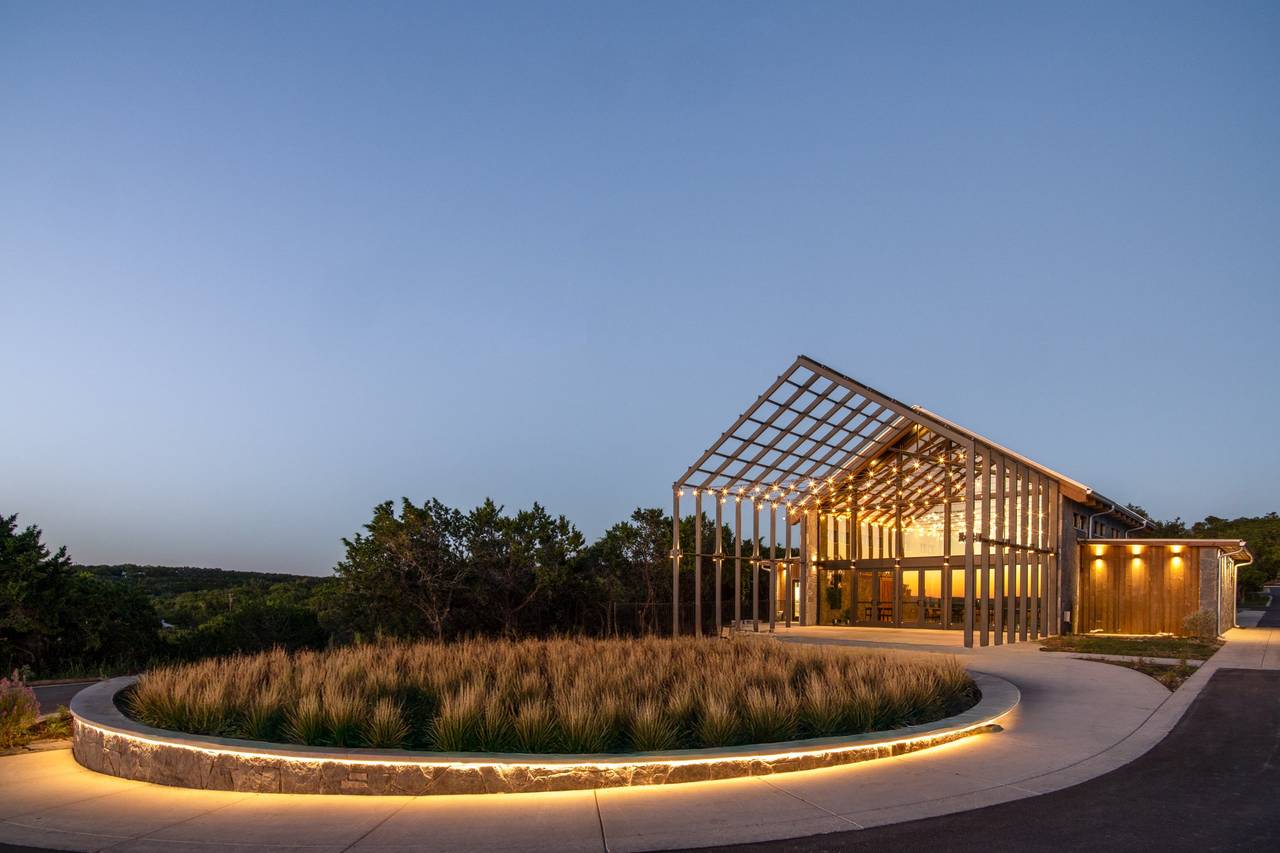
We've been betting for years that wellness programming would flow into corporate offsites and group travel.
Not just leisure spa weekends. Actual corporate groups and nonprofits choosing properties because the environment directly supports their mission.
We're finally seeing it happen at Onera Wimberley.
Our group bookings are the proof.
First half of 2025: $18,000 in group revenue. Second half: $108,000.
We’re forecasting over $300,000 next year – compared to $125K total this year.
The revenue isn’t the interesting part. It’s who’s booking and why.
 |
A Veterans Nonprofit Chose Treehouses Over Conference Hotels
First week of December, Onera Wimberley had a full property buyout Monday through Friday.
Give2Give runs healing retreats for veterans dealing with PTSD, and they booked us out for an entire week.
When they were choosing where to run these retreats, they could have picked any Hilton conference center. Traditional resort with meeting rooms and AV equipment would have been cheaper and easier.
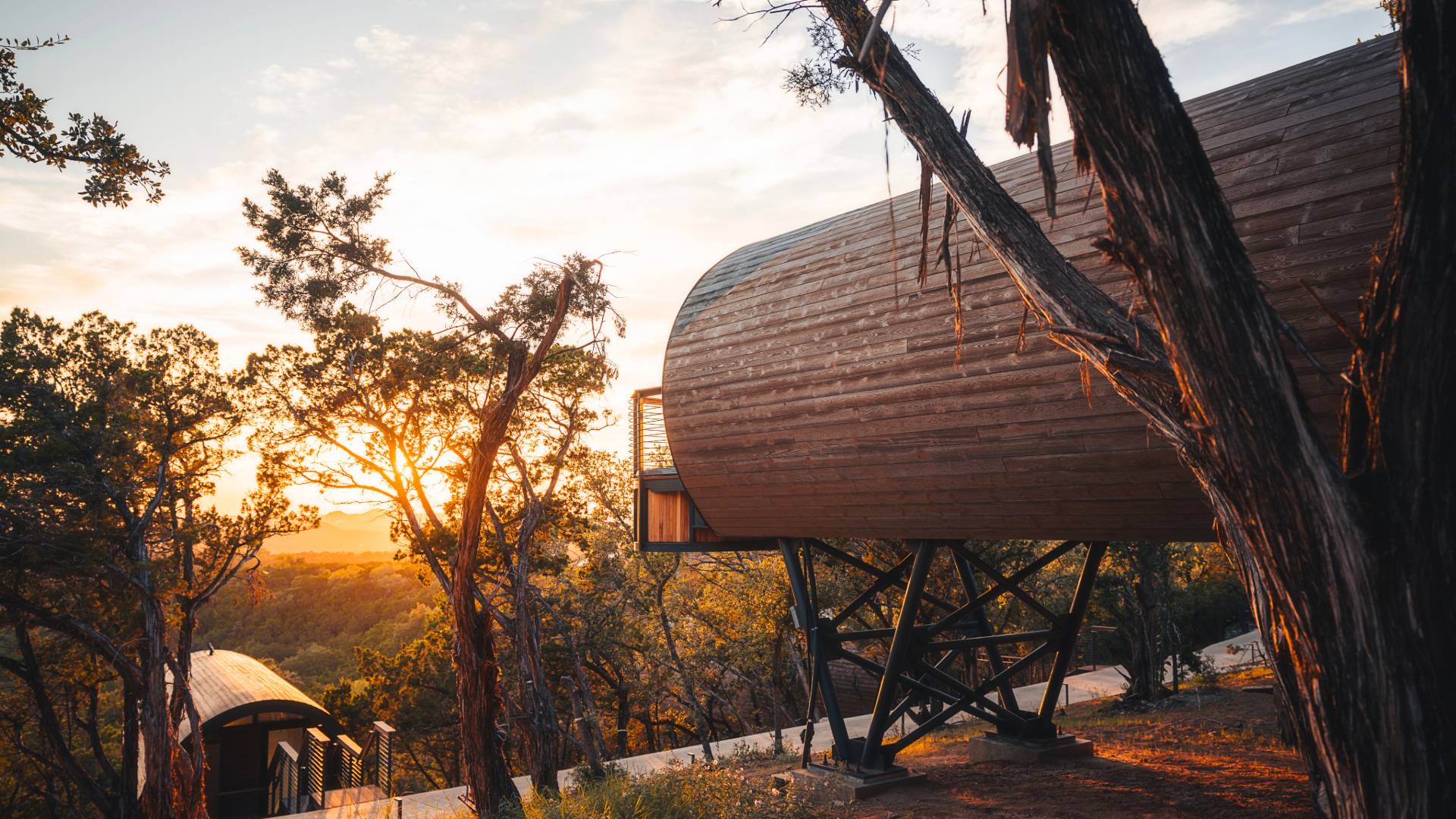
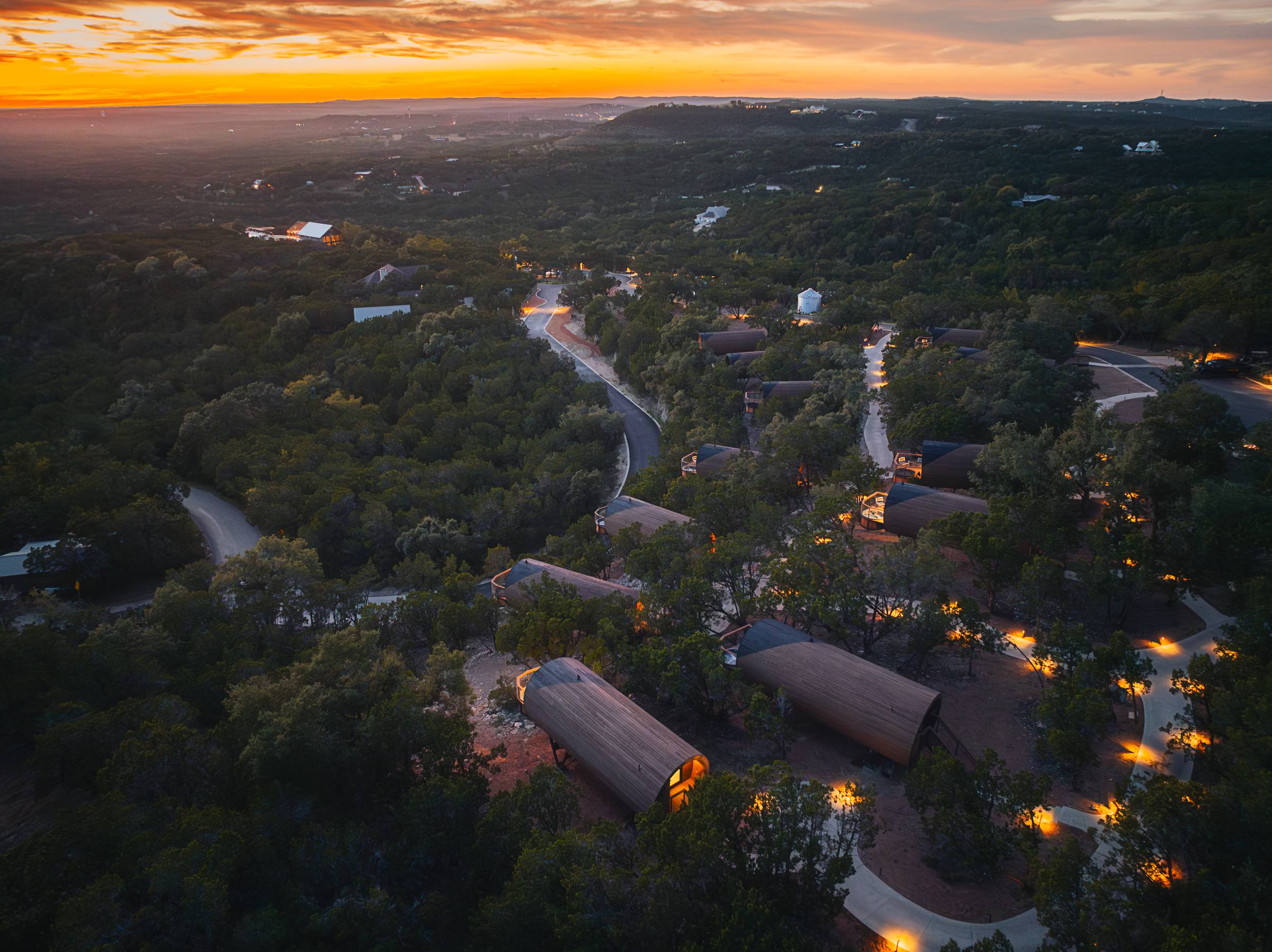
But they picked elevated treehouses surrounded by 35 acres of Texas Hill Country forest.
The environment isn’t decoration for their programming. It’s essential to what they’re trying to accomplish.
Veterans arrive carrying trauma. The last thing they need is fluorescent lighting and windowless conference rooms. They need space. Quiet. Trees. The ability to step outside at sunrise and just breathe.
We’re looking at 3-6 events per year with Give2Give, plus building similar relationships with other nonprofits and corporate groups seeking restorative environments.
That’s when we realized our bet was paying off.
 |
The Broader Shift Is Real
Turns out we’re not the only ones seeing this.
The wellness travel market is surging toward $1.4 trillion by 2027. But the corporate segment is growing even faster – the global corporate wellness market is expected to nearly double from $64 billion in 2023 to $123 billion by 2032.
Companies are scheduling more offsites than ever. They now average 2.6 offsite events per year, up from pre-pandemic levels. And 59% of organizations have increased their offsite budgets since 2019.
Where are they going?
Not urban conference centers. Bookings for countryside retreats shot up over 200% between 2022 and 2023, according to one retreat-planning platform. Firms are trading city hotels for rural, nature-surrounded venues.
Google ran a corporate retreat at Canyon Ranch in Arizona. Their team leader described it as “very memorable and relaxing” with “unique activities that allowed guests to catch up and disconnect from work.”
Miraval Resorts now explicitly markets corporate packages at their Arizona, Texas, and Massachusetts locations – bundling unlimited yoga and meditation classes, spa credits, healthy meals, and luxury casitas for executive teams.
Even McKinsey reported an anecdote where a CEO said a 45-minute strategy conversation by a campfire accomplished more alignment than 30 hours of office meetings.
The data backs this up. Research shows that three days outdoors improves cognitive functioning and creativity. And 34% of employees say their best ideas happen on business retreats.
This shift makes sense when you look at what corporate buyers are actually seeking.
What Corporate Groups Want
Corporate planners aren’t choosing wellness properties to be trendy. They’re choosing them because the environment impacts outcomes.
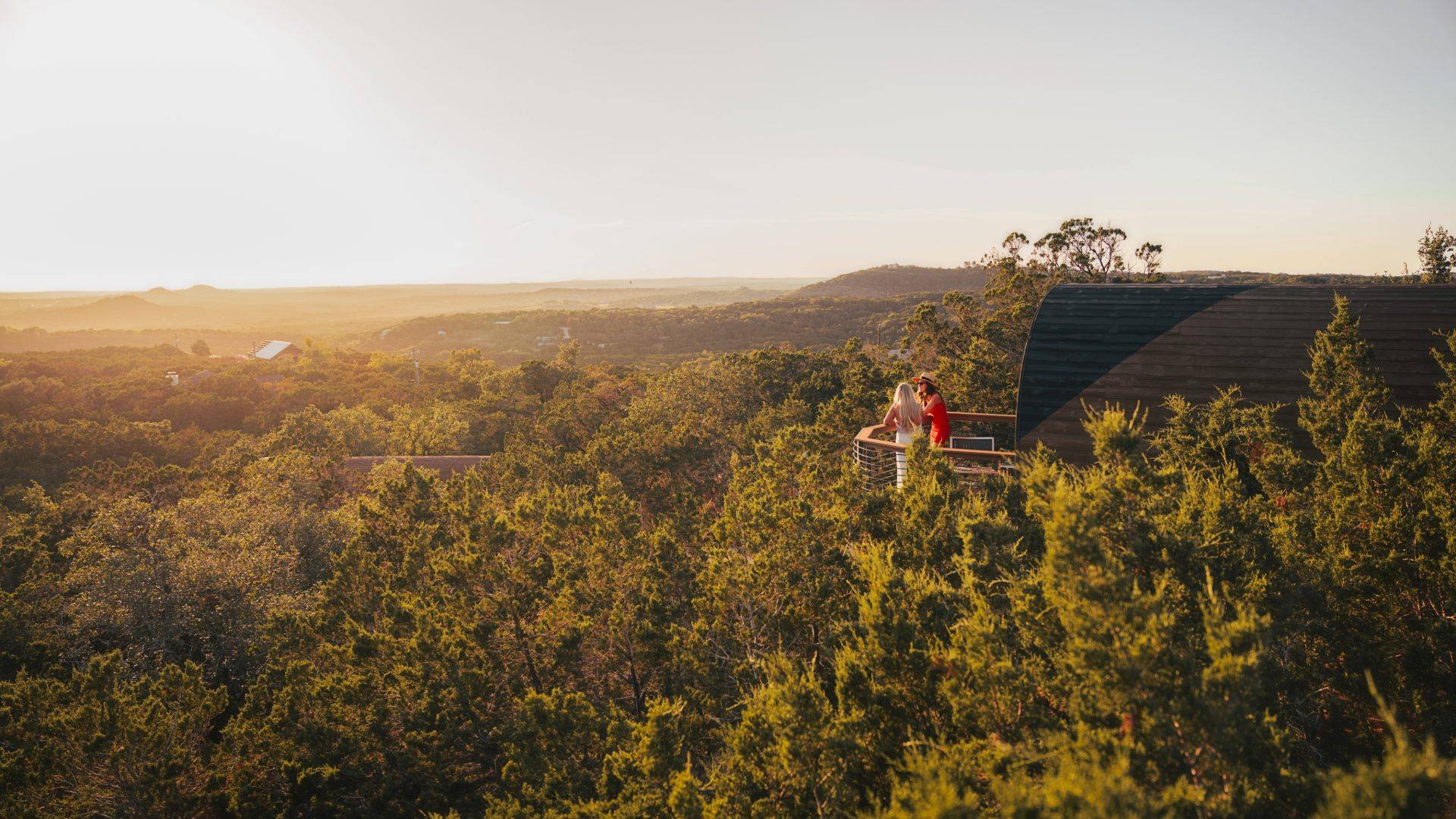
A leadership team spending three days with access to nature, sauna and cold plunge, and space to think comes back sharper than a team that sat in a hotel ballroom for 72 hours.
Veterans processing trauma in treehouses surrounded by forest get better results than the same programming in a standard conference facility.
The corporate buyers we talk to prioritize a few specific things:
1. Natural environments with daylight and greenery – not windowless meeting rooms. They want serene settings where teams can actually recover from work stress.
2. Integrated wellness amenities. Rather than adding spa appointments to a conference agenda, they want properties where wellness is baseline – yoga studios, meditation spaces, sauna circuits, healthy food, nature trails all easily accessible.
3. Flexibility and autonomy. Corporate groups prefer self-paced wellness over rigid spa schedules. The ability to take a solo hike, use the sauna between sessions, or just sit quietly matters more than therapists guiding every experience.
4. Digital detox. Many groups deliberately pick locations with poor cell service. Getting teams out of email and Zoom mode is as valuable as any structured programming.
And the ROI is there.
Nearly all surveyed HR leaders say wellness programs boost productivity. A Deloitte survey found companies with robust bonding retreats saw 73% lower turnover than peers. And 95% of companies measuring wellness ROI get positive returns, with over two-thirds seeing at least $2 back for every $1 spent.
 |
New Additions at Onera Wimberley
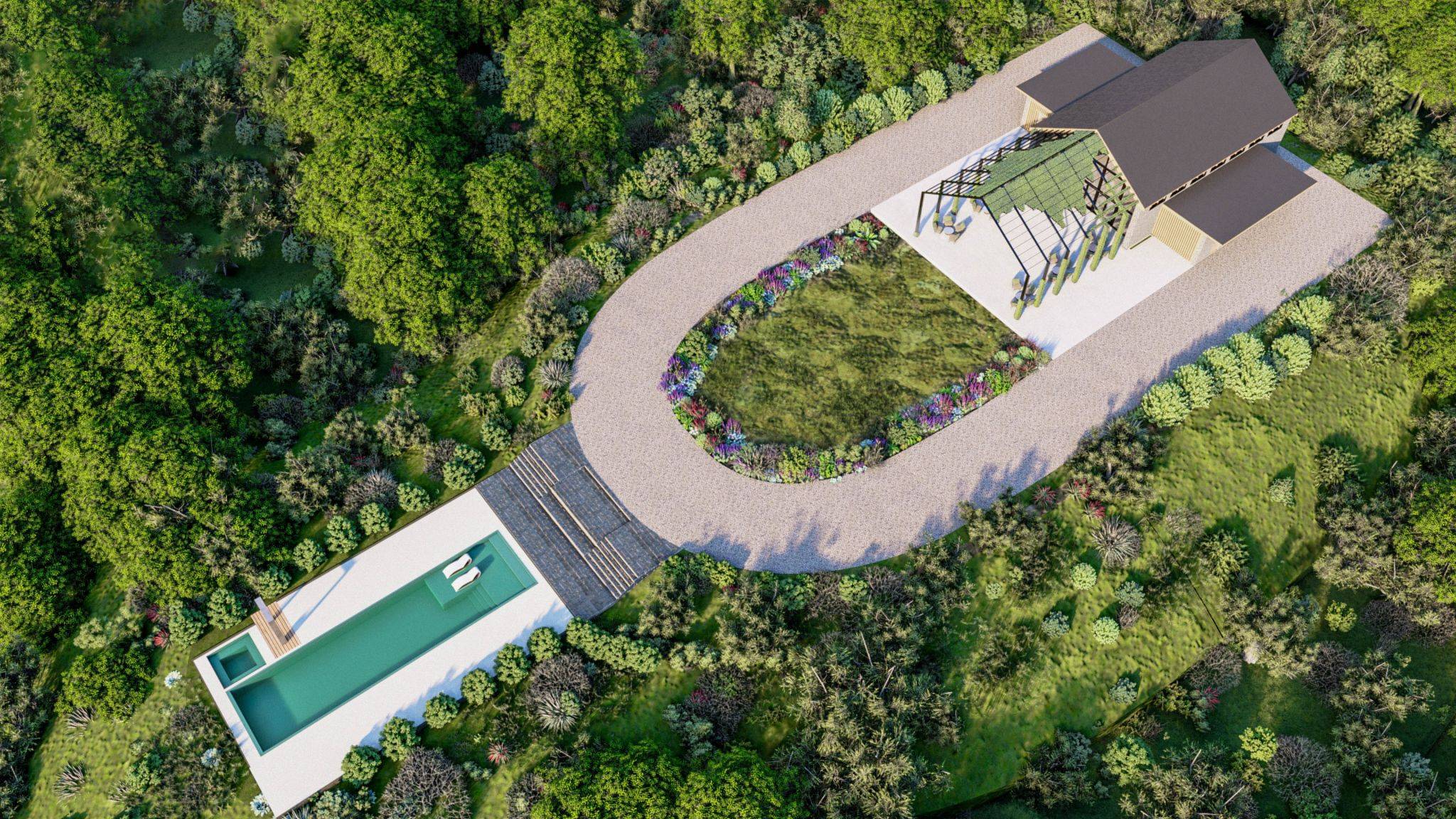
We’re planning to add wellness amenities in 2026.
Dry sauna, cold plunge, halotherapy salt chamber, eucalyptus steam room, float pod. We’re finalizing which specific amenities make the cut, but the concept is locked in.
Groups like Give2Give are actively asking for structured wellness experiences to complement their programming. Onera is already designed for disconnection and restoration – treehouses elevated in nature, no TVs, spaces built for quiet and reflection.
Adding dedicated wellness infrastructure deepens what we can offer corporate and nonprofit groups seeking restorative environments.
 |
What This Means for Operators
Group sales at Onera Wimberley took way longer to ramp than we expected. Completely different business from transient leisure bookings. Longer sales cycle, different buyers, different pitch entirely.
But the groups choosing us aren’t coming for luxury amenities or resort features. They’re coming because the property enables their mission.
Give2Give could book their veterans retreats anywhere. They chose Onera because the environment supports healing.
You can’t bolt that onto an existing property with a spa menu and yoga classes. It’s either foundational to your design and positioning, or it’s not.
The corporate wellness shift isn’t about adding services. It’s about understanding whether your environment actually supports what these buyers need to accomplish.
For Onera, the answer was already yes. We just had to articulate it to the right buyers.
For properties still approaching wellness as an add-on, you’re missing the shift that’s already happening – and has real money behind it.